


What you need to know about finding a reliable used clothes supplier for your business is crucial for success. Inquire now for pricing.

Understanding the Global Market for Secondhand Clothing
The global market for secondhand clothing is a dynamic and expansive industry, attracting entrepreneurs, charities, and businesses worldwide. For anyone looking to embark on or expand a used clothes for resale business, understanding this landscape is the first critical step. This market is driven by several factors: increasing consumer demand for affordable fashion, a growing emphasis on sustainability, and the circular economy, and the sheer volume of textile waste generated globally.
Millions of tons of textiles are discarded annually, creating a robust supply chain for used garments. These clothes are collected, sorted, and distributed globally, finding new life in various markets from Africa to Eastern Europe, and increasingly, online thrift stores and boutiques in developed nations. The diversity of origins—from affluent Western countries to high-volume manufacturing hubs—means that the quality, style, and condition of available stock can vary dramatically. Navigating this vast network requires an informed approach to ensure you're sourcing high-quality, relevant inventory that meets your business needs and customer expectations. The goal is not just to find a supplier, but a partner who understands the nuances of this complex trade.
Key Considerations When Choosing Your Bulk Used Garment Supplier
Selecting the right bulk used garment supplier is paramount to the success of your resale business. It’s a decision that impacts everything from the quality of your inventory to your profit margins and operational efficiency. Here are essential considerations:
- Reputation and Reliability: Look for suppliers with a proven track record. Online reviews, industry forums, and references can provide insight into their consistency in quality, delivery, and customer service. A reliable supplier will be transparent about their sourcing and sorting processes.
- Ethical Sourcing: Investigate how the supplier collects their used clothes. Are they ethically sourced, avoiding exploitative practices? Ensure they comply with local and international regulations.
- Sorting and Grading Process: This is perhaps the most critical factor. How do they sort their clothing? What are their grading standards (e.g., cream, A, B, C)? Requesting detailed information on their secondhand textile sorting factory procedures is crucial.
- Variety and Volume: Can the supplier provide the specific types of clothing you need (e.g., vintage, modern, specific brands, seasonal wear) and in the quantities required? Their capacity to handle your orders reliably is key.
- Pricing Structure: Understand their pricing model. Is it per bale, per kilogram, or per container? Compare pricing across different grades and types of clothing to ensure you're getting competitive rates.
- Logistics and Export Capabilities: For international buyers, the supplier's ability to handle export documentation, customs clearance, and shipping efficiently is vital. They should be experienced in used clothes bales export and ideally offer support through the entire logistics chain.
By thoroughly vetting potential partners against these criteria, you can mitigate risks and establish a strong foundation for your business.
The Importance of Graded Secondhand Clothes and Quality Control
The success of a used clothes for resale business hinges significantly on the quality of its inventory. This is where the concept of graded secondhand clothes becomes critically important. Unlike new garments which come with consistent quality standards, used clothing is inherently variable. Suppliers typically categorize items into different grades to help buyers understand what they are receiving:
- Cream Grade: Often refers to nearly new, high-quality items, sometimes with original tags, designer brands, or minimal wear. These command the highest prices.
- Grade A: Good quality, wearable items with no major defects, stains, or tears. They might show slight signs of wear but are perfectly marketable.
- Grade B: Items that are still wearable but might have minor flaws, such as small stains, faded colors, or repairable damage. These are typically sold at a lower price point.
- Grade C: Items with significant defects, heavy wear, or damage, often destined for recycling into rags or textile fibers rather than resale as clothing.
A reputable supplier will have a well-defined and transparent grading system, often processed in a dedicated secondhand textile sorting factory. During this process, items are manually inspected, cleaned (if necessary), and categorized. For buyers, understanding these grades and matching them to your target market is essential. Sourcing from a supplier with stringent quality control measures minimizes the risk of receiving unusable inventory, which can lead to losses and erode customer trust. While Gold Garment Vietnam specializes in the production of new, custom apparel with ISO-aligned quality management, we understand the critical role of meticulous inspection and quality assurance in any garment supply chain, whether new or used. This foundational expertise in quality control is what defines a reliable textile partner.
Navigating Logistics and Used Clothes Bales Export
Once you've identified a suitable supplier and agreed on the grades and quantities, the next challenge is logistics, particularly for used clothes bales export. This involves a complex dance of packaging, documentation, customs, and shipping, especially for large volumes like a container load used clothes price arrangement.
Used clothing is typically compressed into bales of varying weights (e.g., 45kg, 100kg, 400kg) for efficient shipping. These bales are then loaded into shipping containers, usually 20-foot or 40-foot containers. Shipping by sea freight is the most cost-effective method for bulk quantities, though it requires longer lead times. Key logistical considerations include:
- Documentation: You'll need commercial invoices, packing lists, certificates of origin, and potentially specific import permits depending on your destination country. Customs regulations for used clothing can be stringent in some regions due to health and sanitation concerns.
- Shipping Partners: Choose freight forwarders experienced in textile exports and imports. They can guide you through the complexities of international shipping, including booking containers, managing port logistics, and handling customs declarations.
- Customs and Tariffs: Research the import duties, taxes, and specific regulations in your country. Some nations have bans or restrictions on the import of certain types of used clothing.
- Insurance: Always insure your cargo against loss or damage during transit. The journey from a secondhand textile sorting factory to your warehouse can be long and expose your goods to various risks.
A truly reliable wholesale used clothing supplier often has established relationships with freight forwarders and can assist with much of this logistical planning, making the process smoother for international buyers. They understand the intricacies of getting a full container load from their facility to your doorstep.
Partnering with a Reliable Used Clothing Wholesaler: What to Look For
Establishing a long-term partnership with a reliable used clothing wholesaler Vietnam or anywhere else is crucial for sustained business success. Beyond the initial quality and pricing checks, the enduring value of a supplier relationship comes from their consistency, communication, and adaptability.
When seeking a partner, consider these attributes:
- Consistent Supply: Can they consistently meet your demand, especially during peak seasons? Inconsistent supply leads to lost sales and customer dissatisfaction.
- Clear Communication: Good communication is key to preventing misunderstandings and resolving issues quickly. Your wholesaler should be responsive to inquiries and proactive in providing updates.
- Transparency: A trustworthy supplier will be open about their processes, from collection and sorting to pricing and shipping. They should be willing to provide samples or allow factory visits (if feasible) to demonstrate their operations.
- Flexibility: While used clothing supplies are inherently less customizable than new garments, a good wholesaler might offer some flexibility in sorting categories or mixing different grades within an order to meet specific market demands.
- Problem-Solving: In any international trade, issues can arise. A reliable partner will work with you to find solutions, whether it's a shipping delay or a quality discrepancy.
- Market Knowledge: An experienced wholesaler will likely have deep insights into different international markets, which can be invaluable for buyers looking to expand or refine their product offerings.
Remember, your supplier is an extension of your business. A strong, trust-based relationship with a wholesaler who understands your needs can significantly enhance your ability to thrive in the competitive secondhand market.
From Secondhand to New: Complementing Your Inventory with Custom Apparel
While the market for secondhand clothing offers affordability and sustainability benefits, businesses in the apparel sector often face limitations inherent to used goods: inconsistent sizing, limited branding opportunities, and variable quality. This is where integrating new, custom-made apparel can significantly complement your used clothes for resale business, offering a more stable and branded product line.
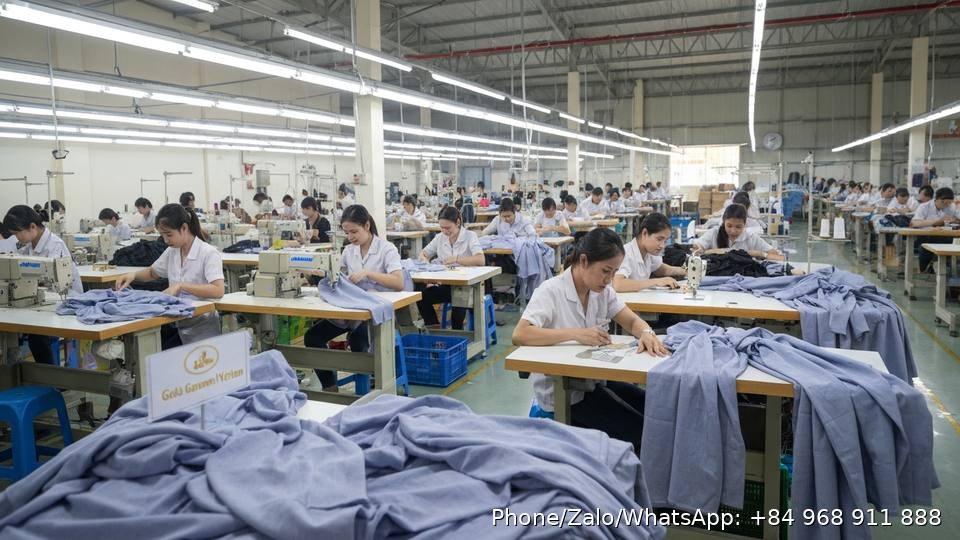
Gold Garment Vietnam, a premier garment manufacturer in Ho Chi Minh City, specializes in full-package OEM (Original Equipment Manufacturer) and ODM (Original Design Manufacturer) production. While we are not a used clothes supplier, our expertise in crafting high-quality new garments can provide a powerful advantage for businesses looking to diversify their offerings. Imagine supplementing your carefully curated secondhand collection with:
- Custom Branded Basics: Design and produce new t-shirts, hoodies, or accessories with your unique brand identity, providing consistent sizing (XS to 4XL, custom-graded for US/EU/AU standards), and reliable quality.
- Ethical and Sustainable New Lines: With fabrics like organic cotton, recycled polyester, and other blends, you can offer new items that align with the sustainability ethos often associated with secondhand fashion.
- Uniformity and Professionalism: If your business operates a physical store or requires branded merchandise, new custom garments offer the consistency and professional finish that used items cannot.
Gold Garment Vietnam offers competitive MOQs starting from just 50 pieces per style per color, making it accessible for growing businesses. Our lead times are efficient (samples 10-14 days, bulk 30-45 days after approval), and our BSCI-compliant factory ensures ethical production. We handle everything from fabric sourcing (cotton, polyester, technical performance fabrics) to branding (embroidery, screen printing, heat transfer, sublimation, woven labels), delivering to markets like the USA, Europe, Australia, UK, Canada, and the Middle East. Partnering with a manufacturer like Gold Garment allows you to offer consistent quality, specific designs, and a robust brand presence, overcoming the inherent limitations of a purely secondhand inventory.
Maximizing Your Used Clothes for Resale Business
Succeeding in the used clothes for resale business requires more than just finding a cheap source. It demands strategic planning, market insight, and an unwavering commitment to quality. To maximize your profitability and growth, consider these key strategies:
- Market Specialization: Instead of trying to sell everything, identify a niche. Are you targeting vintage lovers, sustainable fashion enthusiasts, budget-conscious families, or specific fashion styles? Specialization allows for more focused sourcing and marketing.
- Effective Merchandising: Whether online or in a physical store, how you present your secondhand items matters. High-quality photos, detailed descriptions, and attractive displays elevate the perceived value of your products.
- Pricing Strategy: Research competitor pricing, understand your target market's willingness to pay, and factor in all your costs (sourcing, shipping, sorting, cleaning, marketing). Graded secondhand clothes allow for tiered pricing strategies.
- Inventory Management: Efficiently manage your stock to avoid overstocking slow-moving items and missing opportunities for popular ones. Understand seasonal trends and adjust your sourcing accordingly.
- Build a Strong Online Presence: For many, an e-commerce platform or social media presence is essential for reaching a wider audience and showcasing unique finds.
- Diversify Your Offerings: As discussed, consider complementing your used clothing selection with new, custom-branded items from manufacturers like Gold Garment Vietnam. This can provide stable income streams, enhance brand identity, and offer customers a broader range of choices, ensuring they find exactly what they need within your business.
By integrating these strategies with a reliable supply chain, your used clothes for resale business can not only thrive but also contribute positively to the circular economy.
Frequently Asked Questions
How are used clothes typically graded for wholesale?
Used clothes are commonly graded into categories like "Cream," "Grade A," "Grade B," and "Grade C." Cream grade signifies nearly new or high-quality items with minimal wear, often including designer brands. Grade A items are good quality, wearable, with no major defects. Grade B has minor flaws, while Grade C includes heavily worn or damaged items suitable for recycling rather than direct resale as clothing.
What are the common challenges when importing used clothes bales?
Common challenges include inconsistent quality within bales, navigating complex customs regulations and import duties, ensuring proper documentation, managing international shipping logistics (especially for a full container load used clothes price), and fluctuating market demand that impacts resale value. Finding a transparent and reliable supplier is key to mitigating these issues.
Can I customize my order for specific types of used clothing?
While used clothing orders are less customizable than new garment production, many bulk used garment suppliers allow buyers to specify categories like men's, women's, children's, specific seasons (e.g., winter jackets), or even sub-categories like denim or dresses. However, specific styles, brands, or precise quantities of individual items are generally not guaranteed due to the nature of secondhand inventory. Buyers should discuss their specific needs with the supplier to understand what level of customization is possible.
What factors influence the container load used clothes price?
The price for a container load used clothes price is influenced by several factors: the grade of clothing (Cream being highest, C lowest), the origin country (which impacts quality and style), the specific categories or mix of garments included, the total weight or volume of the load, current market demand, and the cost of shipping and logistics to the destination port. Bulk orders generally offer better per-item pricing.
How does Gold Garment Vietnam relate to the used clothing market?
While Gold Garment Vietnam specializes as a garment manufacturer producing new, custom apparel (OEM/ODM), our deep expertise in textile sourcing, rigorous quality control, ethical manufacturing (BSCI-compliant), and international logistics offers invaluable insights for any business in the apparel supply chain. We provide an excellent option for businesses looking to complement their secondhand inventory with consistent, high-quality, and branded new garments, offering stable supply and custom design capabilities that used clothes cannot.

Ready to get started? Send us your specifications and we will respond with a detailed quote within 24 hours. Contact Gold Garment — no obligation.



COMMENTS