


Sourcing can be complex, but understanding how difficult is it to make shoes is key to successful manufacturing; get a free quote today.
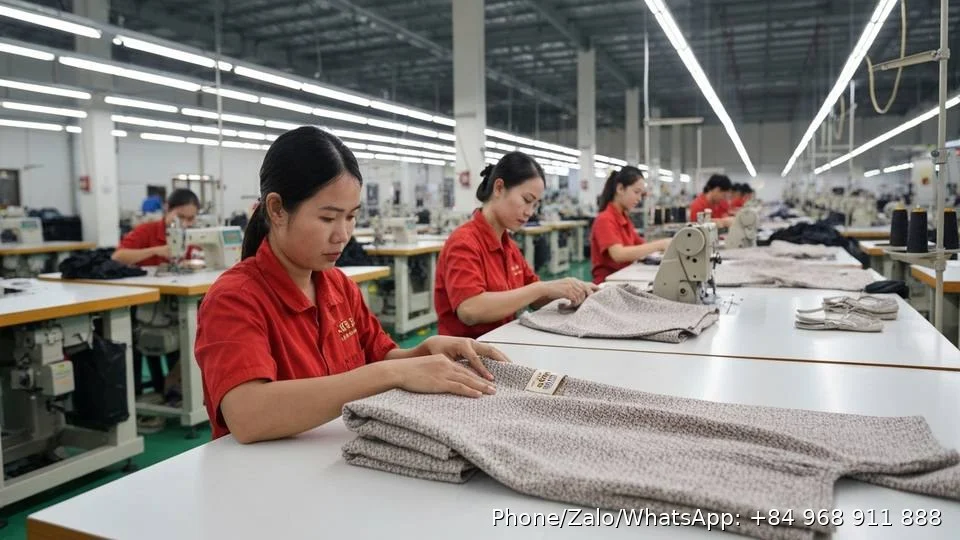
Embarking on the journey of custom product development, whether for apparel or footwear, presents a unique set of challenges and rewards. Many aspiring brands and established businesses ask, "how difficult is it to make shoes?" The answer, while nuanced, boils down to a blend of meticulous planning, expert execution, and partnership with the right manufacturing facility. While Gold Garment Vietnam specializes in high-quality apparel manufacturing, the principles of successful custom product development—from design to delivery—are remarkably consistent across various fashion categories, including footwear. This guide aims to demystify the process, offering insights into the complexities and practical steps involved, drawing parallels where our garment expertise can inform your understanding of footwear manufacturing.
Deconstructing the Complexity of Footwear Manufacturing
The journey from a footwear concept to a wearable product is far from simple. Unlike mass-produced items, custom shoes involve a intricate dance of design, material science, ergonomics, and production engineering. It starts with a vision, which must then be translated into a technical blueprint. This includes detailed specifications for every component: the upper, sole, insole, lining, laces, and various reinforcements. Each material choice impacts comfort, durability, aesthetics, and cost.
The complexity is further magnified by sizing and fit. Footwear must conform to a wide range of human foot shapes and sizes, requiring precise grading and last development. A slight miscalculation in any dimension can render a batch of shoes uncomfortable or unsellable. Moreover, the assembly process involves numerous steps, often requiring specialized machinery and skilled labor for cutting, stitching, lasting, and finishing. This multi-layered process underscores why many consider the question of how difficult is it to make shoes a significant one, highlighting the need for a manufacturing partner who understands precision and quality at every stage.
Navigating the Custom Shoe Development Process
The custom shoe development process, much like custom apparel development, follows a structured path designed to mitigate risks and ensure the final product meets expectations. It typically begins with your design brief, which outlines your concept, target audience, aesthetic, and functional requirements. This brief is then translated into technical specifications, often called a tech pack, detailing materials, colors, construction methods, and measurements. For footwear, this also includes last specifications (the foot-shaped mold around which a shoe is built) and outsole designs.
Next comes material sourcing. This is a critical phase where suppliers are identified for leather, synthetic fabrics, rubber, EVA foam, adhesives, and hardware. Selecting the right materials is paramount, balancing quality, cost, and availability. Following material approval, prototyping begins. This iterative process involves creating initial samples to test the design, fit, and construction. Feedback from these samples leads to revisions, often requiring multiple iterations (sample 1, sample 2, etc.) until the perfect product is achieved. At Gold Garment, our sample production lead time for garments is typically 10-14 days, reflecting our efficient prototyping capabilities that can be benchmarked against similar needs in footwear development.
Finally, once a sample is approved, pre-production planning commences, laying the groundwork for mass manufacturing. This involves creating detailed production patterns, refining assembly line processes, and establishing stringent quality control checkpoints. Understanding each phase is crucial for managing expectations and navigating the journey of bringing custom footwear to market effectively.
Understanding Common Footwear Manufacturing Challenges
Even with a clear development process, several footwear manufacturing challenges can arise. Material sourcing, for instance, can be complex due to global supply chain fluctuations, minimum order requirements from material suppliers, and ensuring consistent quality of specialized components like outsoles or advanced textiles. Achieving perfect sizing consistency across different regions (e.g., US vs. EU sizing) demands precise pattern grading and last manufacturing.
Another significant challenge is labor intensity. Many aspects of shoe making still rely on skilled manual labor, particularly for intricate stitching, lasting, and finishing operations. This impacts both production speed and cost. Managing a diverse workforce and ensuring consistent skill levels is vital. Furthermore, ensuring environmental compliance in material procurement and production processes adds another layer of complexity, especially for brands committed to sustainability. The need for precise and consistent execution at every stage highlights why strong project management and a reliable manufacturing partner are indispensable.
Minimum Order Quantity Footwear: Setting Realistic Expectations
When considering custom production, one of the most common questions revolves around the minimum order quantity footwear (MOQ). MOQs are a fundamental aspect of manufacturing, driven by factors such as material supplier requirements, machine setup costs, and economies of scale. For footwear, MOQs are often higher than for simpler apparel items due to the specialized molds (lasts), tooling, and diverse components involved.
Typically, a reputable footwear factory might require MOQs ranging from 500 to 2,000 pairs per style per color, depending on the complexity of the shoe and the factory's operational scale. This is a significant consideration for emerging brands or those testing new designs. While Gold Garment specializes in garments with a competitive MOQ from 50 pieces per style per color, this illustrates our commitment to supporting businesses of various sizes. For footwear, understanding these higher MOQs upfront allows you to plan your inventory, budget, and market strategy effectively, preventing unexpected hurdles down the line.
Key Shoe Production Cost Factors Explained
Understanding the shoe production cost factors is crucial for effective budgeting and pricing strategies. The primary cost components include:
- Materials: This is often the largest factor, encompassing everything from the main upper fabric (leather, synthetics, canvas) to the outsole, insole, lining, laces, glues, and reinforcements. High-quality or specialized materials will naturally drive up costs.
- Labor: The cost of skilled labor for cutting, stitching, lasting, assembly, and finishing. Labor costs vary significantly by region and the complexity of the shoe's construction.
- Tooling and Molds: For custom footwear, there are often upfront costs for creating lasts (the foot forms), molds for outsoles, and cutting dies for various components. These are one-time investments but can be substantial.
- Overhead: Factory operating expenses, including utilities, rent, machinery maintenance, and administrative staff.
- Quality Control: The resources allocated to inspections and testing throughout the production process to ensure standards are met.
- Shipping and Logistics: Costs associated with transporting raw materials to the factory and finished goods to your distribution center or customers.
- Certifications and Compliance: Costs related to ensuring ethical production (e.g., BSCI compliance) and adherence to international safety and environmental standards.
A comprehensive understanding of these factors enables brands to negotiate effectively, optimize their designs for cost-efficiency, and accurately forecast their landed costs per pair.
Optimizing Footwear Sample Production Lead Time
The footwear sample production lead time is a critical period that sets the stage for bulk manufacturing. It involves turning your design concept into physical prototypes for evaluation and approval. Efficient sample production minimizes delays and ensures that potential issues are identified and resolved before mass production begins, saving both time and money.
Typically, the first sample for complex footwear can take anywhere from 3 to 6 weeks, depending on the availability of materials, the complexity of the design, and the factory's workload. Subsequent samples (revisions) usually have shorter lead times. Factors that influence this duration include the clarity of your tech pack, the speed of communication between you and the factory, and the factory's internal processes for material sourcing and prototype creation. Gold Garment prides itself on an efficient sample production lead time of 10-14 days for our garment lines, reflecting our streamlined processes and dedicated sampling teams. While footwear has its unique complexities, our approach to rapid, precise prototyping demonstrates the kind of operational efficiency you should look for in any manufacturing partner.
Choosing an Ethical Shoe Manufacturing Partner in Vietnam
In today's global market, selecting an ethical shoe manufacturing partner is paramount, not just for reputation but for long-term sustainability. Buyers are increasingly scrutinizing supply chains for fair labor practices, safe working conditions, and environmental responsibility. Vietnam has emerged as a powerhouse in manufacturing, recognized for its skilled workforce and commitment to international standards. When evaluating potential partners, look for factories with relevant certifications and a transparent approach to their operations.
At Gold Garment Vietnam, we are a BSCI-compliant factory, demonstrating our commitment to upholding ethical labor standards, including fair wages, reasonable working hours, and a safe, healthy environment. Our processes are also ISO-aligned for quality management, ensuring consistent production and adherence to agreed-upon specifications. These certifications provide peace of mind and assurance that your products are made responsibly. While our expertise lies in garment manufacturing, these foundational principles of ethical conduct and stringent quality control are universal and crucial for any high-quality manufacturing endeavor, including footwear, making Vietnam a preferred destination for discerning buyers.
Frequently Asked Questions
How long does the custom shoe development process typically take?
The entire custom shoe development process, from initial concept to a final approved production sample, can take anywhere from 3 to 9 months, depending on design complexity, material sourcing, and the number of sample iterations required. Bulk production then follows this approval.
What are the main cost components in shoe production?
Key cost components include materials (upper, sole, lining, etc.), labor for cutting, stitching, and assembly, tooling (lasts, molds, dies), factory overheads, quality control, and shipping. Specialized materials or intricate designs will increase overall costs.
Is it possible to ensure ethical practices in footwear manufacturing?
Yes, it is possible and crucial. Seek manufacturing partners who are transparent about their labor practices and environmental impact, and ideally, hold relevant certifications such as BSCI (Business Social Compliance Initiative) or SA8000. Conduct thorough due diligence and regular audits.
What is a typical minimum order quantity for custom shoes?
Typical minimum order quantities (MOQs) for custom footwear range from 500 to 2,000 pairs per style per color, though this can vary significantly based on the factory, shoe complexity, and specific materials. It's often higher than for simpler apparel items due to tooling and specialized component requirements.
How crucial is quality control in shoe making?
Quality control is exceptionally crucial in shoe making. Given the ergonomic requirements, material variety, and complex assembly, rigorous checks at every stage—from material inspection to in-line production and final packaging—are essential to ensure fit, durability, aesthetics, and overall product integrity, preventing costly recalls and damage to brand reputation.
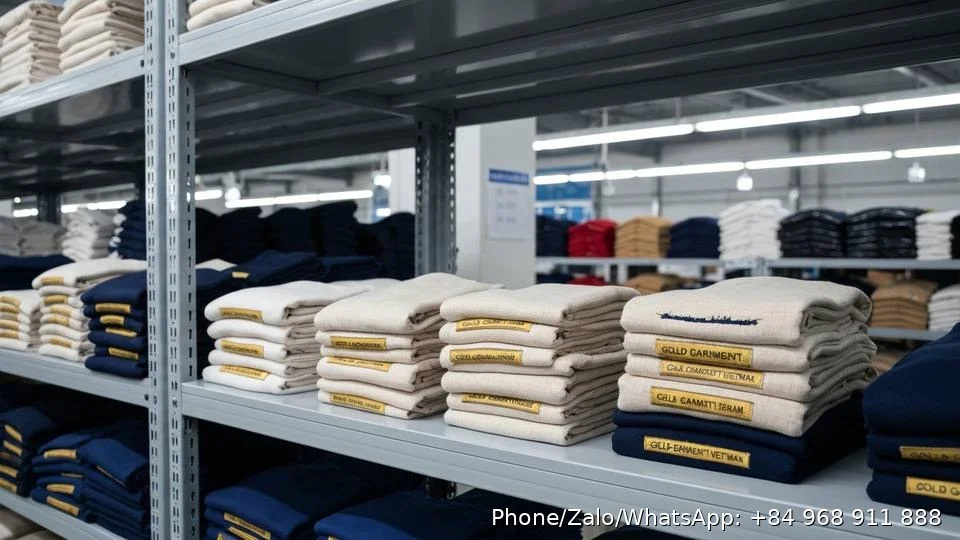
Navigating the complexities of custom manufacturing, whether it's apparel or footwear, requires a reliable partner who understands precision, quality, and ethical practices. While Gold Garment Vietnam specializes in high-quality garment manufacturing with a proven track record, we bring the same dedication to operational excellence and client satisfaction that you would seek in any top-tier manufacturing partner. Ready to get started? Send us your specifications and we will respond with a detailed quote within 24 hours. Contact Gold Garment — no obligation.
