


Sourcing duty-free apparel from an EVFTA compliant garment factory requires understanding the evfta upcoming steps benificial facts. Get a free quote
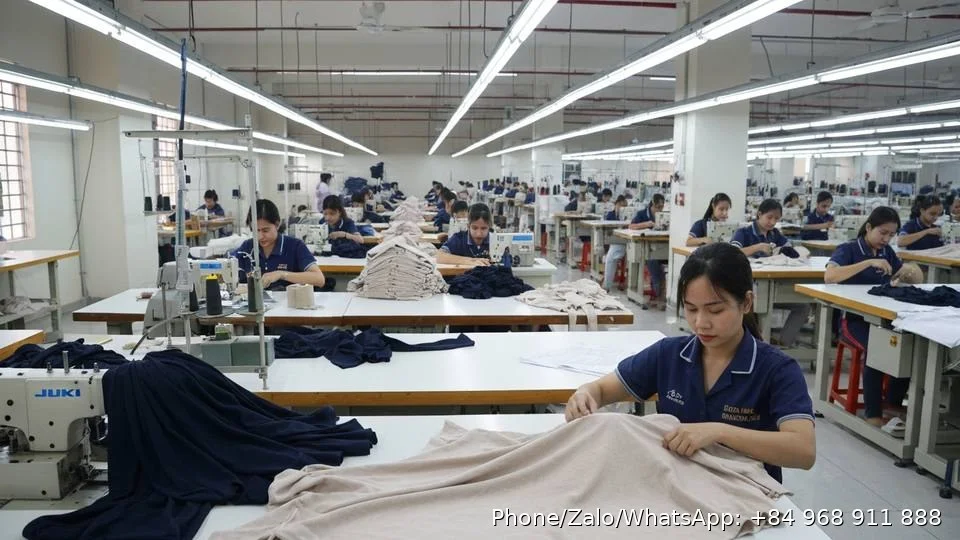
The European Union-Vietnam Free Trade Agreement (EVFTA) has transformed the landscape for EU businesses looking to source textiles and apparel. Since its provisional application in August 2020, the EVFTA has progressively eliminated tariffs on a vast majority of goods, including garments, making Vietnam an increasingly attractive hub for EU textile sourcing. For international B2B buyers, understanding the current status, upcoming steps, and specific benefits is crucial to maximize cost savings and supply chain efficiency. This guide aims to provide practical insights into leveraging the EVFTA for your garment sourcing strategy, highlighting how a partner like Gold Garment Vietnam can facilitate a seamless and advantageous process.
Navigating EVFTA Tariff Reductions and Future Opportunities
The core of the EVFTA's benefit for garment importers is the phased elimination of tariffs. Prior to the agreement, many Vietnamese apparel products faced duties of up to 12% when entering the EU. The EVFTA committed to eliminating 77.3% of tariff lines on textile and apparel products from Vietnam within five years, and 99.8% within seven years. This means that year by year, more products qualify for zero tariffs, significantly reducing the landed cost of goods for EU buyers. As we move further into the implementation timeline, even more tariff lines will reach 0%, providing continuous, incremental cost advantages. For EU textile sourcing professionals, this translates into direct savings that can be reinvested, passed on to consumers, or used to improve competitive pricing.
Understanding the specific tariff phase-out schedule for your product categories is essential. While many categories already enjoy duty-free status, others are still undergoing gradual reductions. Gold Garment, as an experienced garment manufacturer in Vietnam serving the EU market, stays updated on these tariff changes to advise buyers on the most advantageous product compositions and shipping strategies. This ensures that you are consistently benefiting from reduced tariffs on Vietnam apparel to the EU. The ongoing reduction means that the strategic advantage of sourcing from an EVFTA compliant garment factory like ours only continues to grow.
Meeting EVFTA Compliance: Rules of Origin and Documentation
To qualify for preferential tariffs under the EVFTA, garments must comply with specific Rules of Origin (ROO). This is one of the most critical aspects for buyers to understand. Essentially, the EVFTA generally requires products to be "wholly obtained" or "sufficiently transformed" within Vietnam or the EU. For textiles and apparel, a key rule is often the "double transformation" rule, meaning that both the fabric (from yarn) and the garment must originate in Vietnam (or the EU). While some exceptions and specific product rules apply, ensuring your factory understands and adheres to these requirements is paramount.
Gold Garment Vietnam is well-versed in EVFTA Rules of Origin. As a full-package OEM and ODM producer, we work closely with our fabric suppliers to ensure that the materials used in your custom cut-and-sew garments meet the necessary origin criteria. We provide the essential documentation, such as the Certificate of Origin (Form EUR.1 or self-certification by approved exporters), which is required by EU customs authorities to grant the duty-free status. Our meticulous approach to sourcing raw materials and managing production processes means that our clients can confidently claim duty-free apparel status, avoiding potential delays or penalties at customs. This expertise makes Gold Garment an invaluable partner in maximizing the benefits of sourcing garments from Vietnam to the EU.
Strategic Advantages Beyond Tariffs: Quality and Capacity
While reduced tariffs are a primary driver, the evfta upcoming steps benificial facts also extend to a broader strategic advantage. Vietnam's garment industry has long been recognized for its skilled workforce, robust manufacturing infrastructure, and commitment to quality. The EVFTA solidifies Vietnam's position as a reliable and high-quality sourcing destination, encouraging further investment and development in the sector.
Gold Garment Vietnam, located in Ho Chi Minh City, exemplifies these advantages. Our factory offers full-package OEM and ODM production, capable of handling complex custom cut-and-sew garments from design to delivery. We specialize in a wide range of fabrics, including cotton, polyester, blends, organic cotton, recycled polyester, and technical performance fabrics, catering to diverse apparel needs. Our minimum order quantity (MOQ) starts from a flexible 50 pieces per style per color, accommodating both emerging brands and established businesses. With sample lead times of 10-14 days and bulk production in 30-45 days after sample approval, we offer efficiency without compromising on quality. Our BSCI-compliant factory and ISO-aligned quality management systems ensure consistent product standards that meet stringent European expectations. These operational strengths, combined with EVFTA advantages, make us a powerful choice for your Vietnam garment export needs.
Embracing Sustainable Garment Production for EU Market Access
The EVFTA isn't just about economic benefits; it also emphasizes sustainable development and labor standards. The EU market increasingly demands ethical and environmentally responsible sourcing. This aligns perfectly with the growing focus on sustainable garment production in Vietnam. Buyers are not only seeking cost-effectiveness but also partners who share their commitment to social and environmental responsibility.
Gold Garment actively embraces sustainable practices. Our BSCI compliance demonstrates our commitment to fair labor practices and safe working conditions. We work with an increasing range of sustainable fabrics like organic cotton and recycled polyester, helping brands meet their eco-conscious goals. Furthermore, our efficient production processes minimize waste and resource consumption. For EU buyers, partnering with an EVFTA compliant garment factory that prioritizes sustainability helps meet consumer demands and regulatory requirements. This dual advantage of EVFTA benefits and sustainable practices offers a compelling proposition for those looking to strengthen their brand's reputation and appeal in the European market. The Vietnam EVFTA textile advantages thus extend beyond mere economics to encompass crucial ethical considerations.
Gold Garment: Your EVFTA-Ready Partner for Seamless Sourcing
Successfully leveraging the EVFTA requires a manufacturing partner that understands the nuances of international trade agreements, quality standards, and efficient production. Gold Garment Vietnam is precisely that partner. We have extensive experience serving the European market, alongside clients in the USA, Australia, UK, Canada, and the Middle East.
Our comprehensive services cover everything from design and fabric sourcing to production, branding (embroidery, screen printing, heat transfer, sublimation, woven labels), and quality control. We offer custom size grading for US/EU/AU standards, from XS to 4XL, ensuring your garments perfectly fit your target demographic. By partnering with Gold Garment, you benefit from our in-depth knowledge of EVFTA requirements, ensuring your products qualify for duty-free status and reach your market efficiently. We streamline the entire process, allowing you to focus on your brand while we handle the complexities of manufacturing and compliance. Our commitment to transparent communication and proactive problem-solving makes the journey of sourcing garments from Vietnam a smooth and profitable one.
Frequently Asked Questions
What specific products are already enjoying duty-free status under the EVFTA?
Many common apparel items, including t-shirts, polo shirts, jackets, trousers, and knitwear, have already reached or are rapidly approaching duty-free status under the EVFTA. The exact timeline depends on the specific tariff line (HS code) of your product. It's crucial to confirm the current tariff rate for your specific goods. Gold Garment can assist in identifying the correct HS codes and their corresponding tariff phase-out schedules.
How do I ensure my garments qualify for EVFTA preferential tariffs?
The primary requirement is compliance with the EVFTA's Rules of Origin (ROO). For textiles, this often involves the "double transformation" rule, meaning both the fabric and the garment must originate in Vietnam or the EU. You'll need proper documentation, typically a Certificate of Origin (Form EUR.1), provided by the manufacturer. Gold Garment ensures that our sourcing and production processes adhere to these rules and provides all necessary paperwork to facilitate duty-free clearance.
What are the upcoming steps for EVFTA tariff reductions?
The EVFTA is implemented over a seven-year period from August 2020. This means that tariff reductions are phased, with more product categories becoming duty-free each year until almost all tariffs are eliminated. Buyers should continuously monitor the updated tariff schedules, as incremental reductions unlock further cost savings. Gold Garment stays informed on these updates to help clients maximize benefits.
Besides tariffs, what other benefits does sourcing from an EVFTA compliant garment factory offer?
Beyond tariff savings, the EVFTA fosters increased trade certainty, improved intellectual property protection, and adherence to international labor and environmental standards. Partnering with an EVFTA compliant garment factory like Gold Garment also ensures you work with a manufacturer committed to high quality, ethical production (BSCI compliant), and efficient supply chain management, offering a comprehensive package of benefits for your EU textile sourcing strategy.
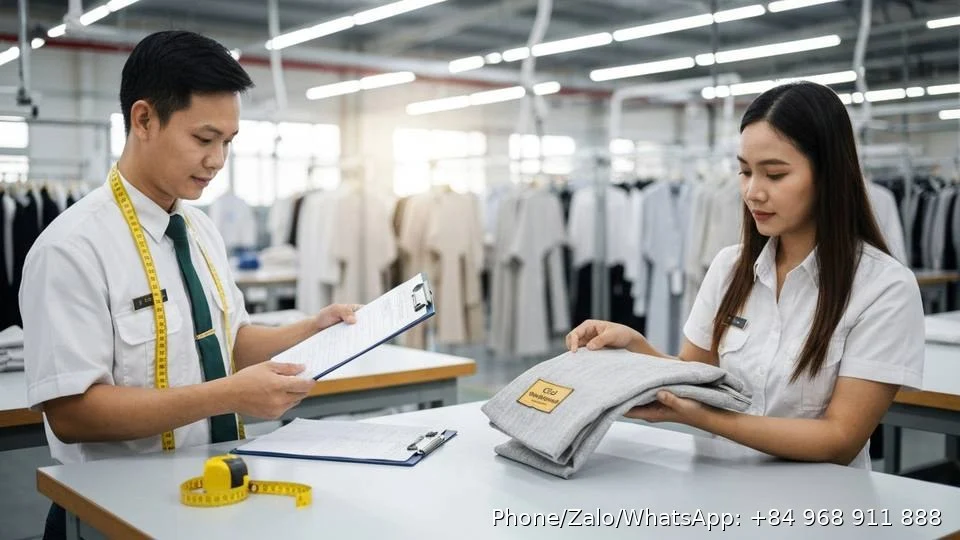
Ready to unlock the full potential of EVFTA for your apparel sourcing? Send us your specifications, and we will respond with a detailed quote tailored to your needs within 24 hours. Contact Gold Garment — no obligation.


