


Manufacture your own custom apparel, understanding what is difference between woven and knit fabrics. Get a free quote today.
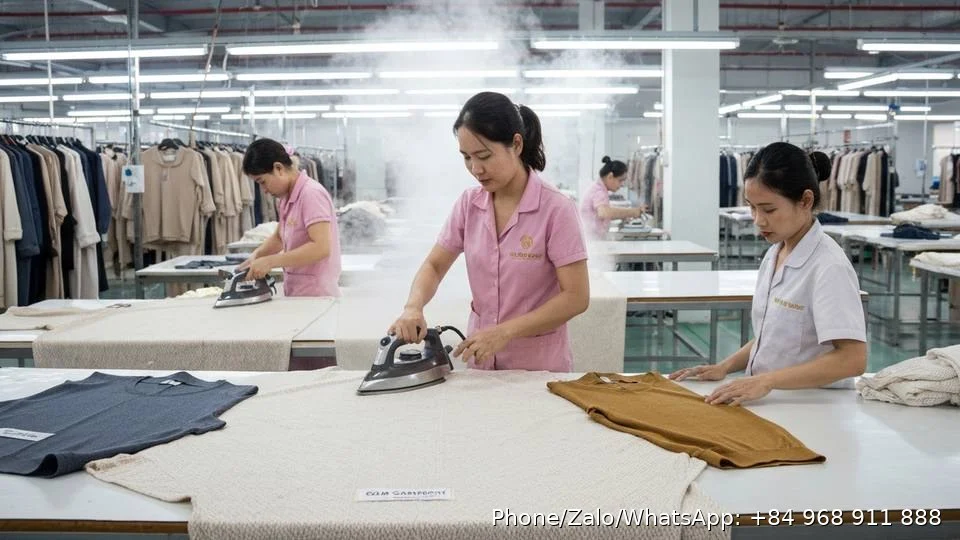
In the dynamic world of garment manufacturing, understanding fabric construction is paramount for B2B buyers seeking to create high-quality, custom apparel. The fundamental choice often boils down to two primary structures: woven and knit. Each offers distinct advantages in terms of drape, durability, stretch, and overall aesthetic, influencing everything from design potential to the final feel of the garment. At Gold Garment Vietnam, a leading garment manufacturer in Ho Chi Minh City, we specialize in both woven and knit apparel production, offering full-package OEM and ODM services to clients across the USA, Europe, Australia, and beyond. This guide delves into the core distinctions between these two fabric types, providing a comprehensive resource for your garment material selection guide.
The Fundamental Divide: Woven vs. Knit Fabric Construction
The most significant distinction between woven and knit fabrics lies in their construction method. Woven fabrics are created by interlacing two sets of yarn – the warp (running lengthwise) and the weft (running crosswise) – at right angles to each other. This creates a stable, often rigid structure with minimal stretch, unless elastane fibers are incorporated. Common woven fabric types include plain weave (like broadcloth or poplin), twill (like denim or chino), and satin weave.
Knitted fabrics, conversely, are formed by interloping a single yarn (or multiple yarns) into a series of interconnected loops. Imagine a giant knitting needle creating row after row of stitches. This looping structure inherently provides elasticity and drape, making knit fabrics comfortable and flexible. This foundational difference dictates many downstream characteristics, from how the fabric is cut and sewn to its ultimate performance in a finished garment. Our expertise in both construction methods allows us to guide you through the intricacies, whether you're interested in knitted garment sourcing or custom woven shirts manufacturer services.
Performance and Aesthetics: Fabric Options for Both Structures
The choice between woven and knit significantly impacts a garment's performance and aesthetic appeal. Woven fabrics are known for their strength, resistance to stretching out of shape, and crisp drape. They are ideal for structured garments like shirts, trousers, jackets, and corporate wear. Fabric options include cotton poplin (100-140 GSM) for crisp shirts, cotton twill (180-280 GSM) for durable pants, or polyester blends (120-200 GSM) for wrinkle resistance. We also work with organic cotton and recycled polyester for sustainable woven solutions.
Knitted fabrics excel in comfort, flexibility, and breathability due to their inherent stretch. They are perfect for activewear, t-shirts, hoodies, polo shirts, and loungewear. Popular knit options include single jersey (140-200 GSM) for soft t-shirts, French terry (280-350 GSM) for comfortable hoodies, and pique knit (180-240 GSM) for classic polo shirts. We offer a wide range of fibers including cotton, polyester, blends, organic cotton, recycled polyester, and advanced technical performance fabrics tailored for knitwear production process. Finish options for both woven and knit can include brushed, peached, water-resistant, or anti-microbial treatments, depending on the desired functionality and hand feel.
Designing for Difference: Technical Construction Details
The technical construction details for woven and knit garments vary considerably, impacting seams, panels, closures, and overall fit. For woven apparel, the stability of the fabric allows for precise cutting and crisp seams, often utilizing flat-felled seams for durability (e.g., denim) or French seams for a clean finish (e.g., blouses). Panels are typically cut on the grain to maintain shape, and closures like buttons, zippers, and rigid interfacings are easily integrated due to the fabric's lack of stretch. Fit for woven garments relies heavily on accurate pattern drafting, providing structure and shape. Our woven apparel factory Vietnam team are experts in crafting precise patterns for diverse woven styles.
Knitted garments, conversely, leverage the fabric's stretch. Seams often employ overlock (serged) stitches, which maintain elasticity while preventing fraying. Twin-needle stitching is common for hems to allow stretch without breaking threads. Panels are cut with consideration for the fabric's stretch direction, often incorporating ribbed cuffs or neckbands for enhanced recovery. Closures typically involve stretch-compatible methods, although zippers and buttons can be applied with appropriate stabilization. Fit for knitwear is more accommodating, conforming to the body while allowing ease of movement. Understanding these nuanced differences is crucial when considering what is difference between woven and how it impacts the final garment design.
Branding Excellence: Decoration Techniques for Woven and Knit
The choice between woven and knit also influences the suitability and appearance of various decoration and branding techniques. Both fabric types support a wide array of options, but their inherent characteristics mean certain methods shine brighter on one over the other.
For woven fabrics, which are stable and have less stretch, precision-driven techniques excel. Embroidery provides a crisp, detailed finish without distorting the fabric. Screen printing works beautifully, producing clear graphics with sharp edges. Woven labels can be sewn into seams or applied flat for a sophisticated brand touch. Heat transfers are also effective, adhering well to the stable surface. Sublimation is primarily used on polyester-based woven fabrics, offering vibrant, all-over prints that become part of the fabric itself.
Knitted fabrics, due to their stretch and looped construction, require careful consideration. While embroidery is possible, backing materials are often needed to prevent puckering or distortion. Screen printing needs to be done with inks that have some elasticity to avoid cracking when the fabric stretches. Heat transfers are also viable, but the quality of the transfer material must be flexible. Sublimation is highly effective on polyester knits, offering full-bleed, vibrant designs ideal for athletic wear. Woven labels, as with woven garments, are a premium branding choice. Gold Garment Vietnam offers comprehensive branding services including embroidery, screen printing, heat transfer, sublimation, and custom woven labels for both fabric types, ensuring your brand vision is perfectly executed.
Achieving the Perfect Fit: Sizing and Grading Standards
Accurate size grading and adherence to international fit standards are crucial for market success, and the distinction between woven and knit fabrics plays a significant role. Woven garments, with their limited stretch, demand precise measurements and more intricate pattern adjustments during grading to accommodate different body sizes. A difference of just half an inch can noticeably alter the fit of a woven shirt. The fit is often more structured, relying on defined waistlines, shoulder points, and armhole curves.
Knitted garments, thanks to their inherent elasticity, offer more forgiveness in sizing. While still requiring careful grading, the fabric's stretch allows for a wider range of body types to comfortably fit within a given size. This flexibility means that knitwear can often be designed with slightly less complex grading rules, but it also necessitates careful consideration of stretch recovery to prevent garments from losing shape over time. Gold Garment Vietnam specializes in custom size grading for US, EU, and AU standards, offering sizes from XS to 4XL and beyond, ensuring a consistent and comfortable fit for your target market, whether you are producing bulk knit apparel supplier orders or tailored woven pieces. We collaborate closely with clients to define measurement charts that reflect their brand's specific fit philosophy, considering the unique characteristics of each fabric type.
Quality Assurance: Specific Checkpoints for Woven and Knit
Maintaining high quality is a cornerstone of Gold Garment Vietnam's operations, guided by our ISO-aligned quality management system and BSCI compliance. Quality control checkpoints are tailored to the specific characteristics of woven and knit fabrics to ensure every garment meets stringent standards.
For woven garments, QC focuses on:
- Fabric Stability: Checking for consistent weave, absence of slubs or defects, and correct hand feel.
- Seam Integrity: Ensuring stitches are straight, secure, and free from puckering, especially in critical areas like collars and cuffs.
- Pattern Alignment: Verifying that all pattern pieces align correctly, crucial for stripes or checks.
- Button/Zipper Functionality: Ensuring all closures operate smoothly and are securely attached.
- Shrinkage Control: Testing fabric pre- and post-washing to meet client-specified shrinkage tolerances.
For knit garments, QC emphasizes:
- Stretch and Recovery: Testing the fabric's ability to stretch and return to its original shape without distortion. This is critical for woven vs knit durability.
- Loop Integrity: Inspecting for dropped stitches, ladders, or uneven looping that could compromise fabric strength.
- Seam Elasticity: Ensuring overlock or coverstitch seams stretch appropriately with the fabric without breaking.
- Pilling Resistance: Checking the fabric's tendency to form pills, particularly for fleece or jersey knits.
- Dimensional Stability: Monitoring for spirality (twisting) in single jersey knits and overall garment shrinkage.
From Concept to Delivery: Sampling and Bulk Production Flow
The journey from design concept to bulk production involves distinct stages, with nuances for both woven and knit apparel. At Gold Garment Vietnam, we streamline this process to ensure efficiency and precision.
Sampling Stage: For both woven and knit, the sampling process begins with your design specifications, technical packs, and fabric selections. Our pattern makers create initial patterns, which are then used to produce prototypes.
- Woven Samples: Often require more precise pattern adjustments and multiple fittings due to the fabric's rigidity. Focus is on sharp lines, accurate seam allowances, and correct drape. Sample lead time is typically 10-14 days.
- Knit Samples: While patterns are still crucial, the fabric's stretch can offer a bit more flexibility in early-stage fitting. Emphasis is on comfortable stretch, correct recovery, and how the knit structure impacts fit. Sample lead time is also 10-14 days.
Bulk Production: Once samples are approved, we move to bulk production.
- Woven Production: Involves large-scale fabric cutting, often with automated machines for precision, followed by assembly with specialized sewing machines for different seam types. Finishing processes like pressing and specific washes are common.
- Knit Production: Requires cutting with careful consideration of fabric stretch and grain. Sewing often utilizes high-speed overlock and coverstitch machines. Post-sewing, knits may undergo processes like garment dyeing or special finishes to enhance softness or performance.
Frequently Asked Questions
What are the primary structural differences between woven and knit fabrics?
Woven fabrics are made by interlacing two sets of yarns (warp and weft) at right angles, creating a stable, generally non-stretch fabric. Knit fabrics are made by interloping a single continuous yarn, forming a series of loops that give the fabric inherent elasticity and drape.
Which type of fabric, woven or knit, is generally considered more durable?
The woven vs knit durability depends on the specific fiber content and construction. Generally, woven fabrics are often perceived as more durable in terms of resisting tears and holding shape due to their stable, tightly interlaced structure. However, modern knit fabrics, especially those with synthetic blends or specific constructions like interlock, can also offer excellent durability and resistance to stretching out of shape.
How does Gold Garment Vietnam manage the distinct production processes for woven and knit garments?
Gold Garment Vietnam operates with specialized production lines and skilled teams trained for both woven and knit apparel. We have dedicated machinery, pattern makers, and QC protocols specific to each fabric type, ensuring optimal handling and manufacturing precision for all custom cut-and-sew garments, from custom woven shirts manufacturer orders to bulk knit apparel supplier needs.
What are the typical lead times for samples and bulk orders for both woven and knit apparel?
For both woven and knit garments, our sample lead time is typically 10-14 days. Bulk production lead time is generally 30-45 days after sample approval. These timelines can vary slightly depending on the complexity of the design, fabric availability, and order volume.
Understanding what is difference between woven and knit fabrics is crucial for making informed decisions in garment manufacturing. At Gold Garment Vietnam, we are equipped with the expertise, technology, and commitment to quality to bring your vision to life, whether you require structured woven apparel or comfortable knitwear. Our full-package OEM and ODM capabilities, combined with competitive MOQs and efficient lead times, make us your ideal partner.
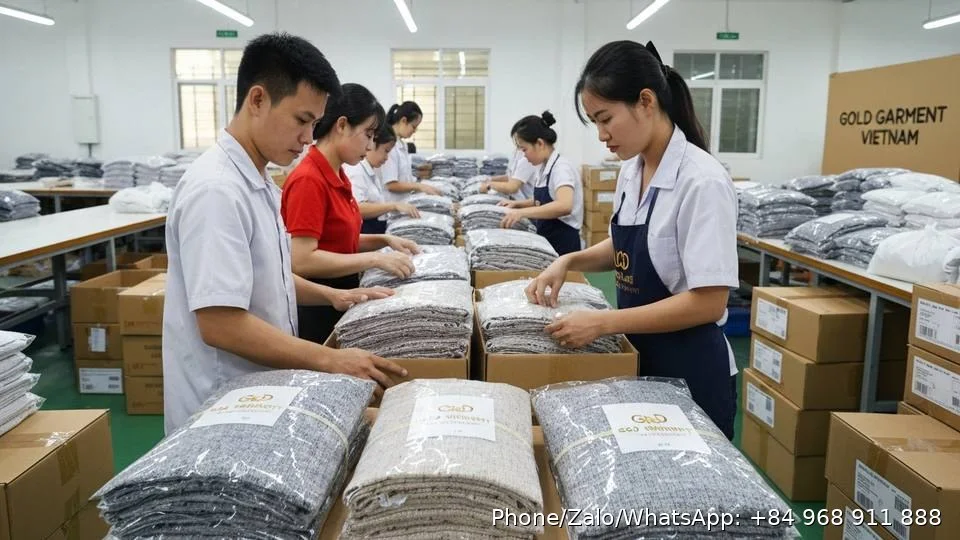
Ready to get started? Send us your specifications and we will respond with a detailed quote within 24 hours. Contact Gold Garment — no obligation.



COMMENTS