


How to source efficient automation in garment manufacturing from Vietnam for superior quality. Get a free quote today.
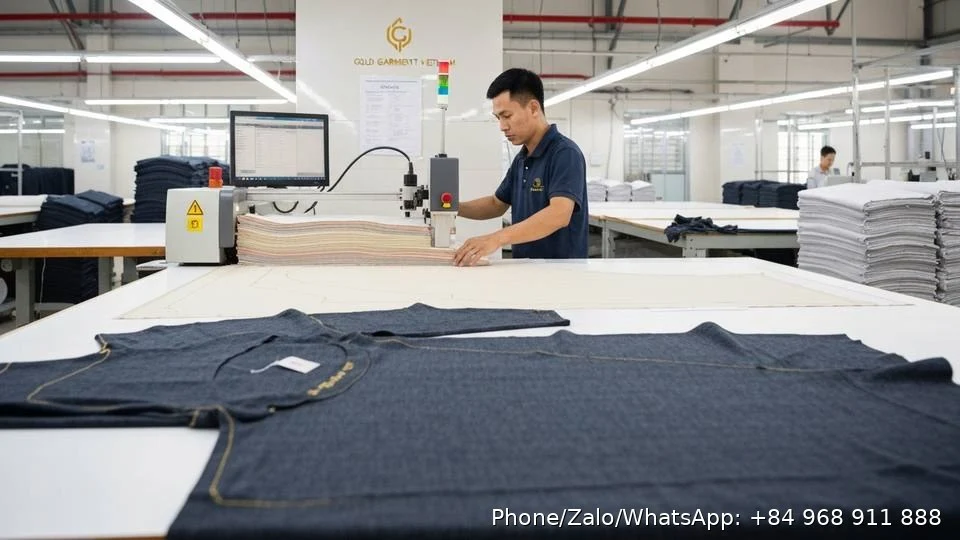
For international B2B buyers in the apparel industry, the phrase "automation in garment manufacturing" isn't just a buzzword; it's a critical component of a resilient, high-performance supply chain. In today's competitive landscape, achieving speed to market, consistent quality, and cost-effectiveness demands a manufacturing partner committed to advanced technology. At Gold Garment Vietnam, we understand that our clients are looking beyond basic production—they seek precision, efficiency, and a partner who leverages modern techniques to deliver superior products. This guide will explore how automation benefits your sourcing strategy and how Gold Garment integrates these technologies into our operations in Ho Chi Minh City to serve buyers from the USA, Europe, Australia, UK, Canada, and the Middle East.
The Imperative of Automation in Modern Apparel Sourcing
In a global market characterized by rapid trends and evolving consumer demands, relying solely on traditional manual processes is no longer sustainable. Buyers are scrutinizing lead times, defect rates, and the overall efficiency of their supply chains more than ever. This is where automation steps in as a game-changer. By integrating advanced machinery and software into various stages of production, manufacturers can achieve levels of consistency and speed that are simply impossible with manual labor alone. From design and pattern making to cutting, sewing, and finishing, automated systems reduce human error, optimize material usage, and accelerate throughput. For B2B buyers, this translates directly into faster delivery of high-quality garments, better cost control, and a more predictable supply chain.
At Gold Garment Vietnam, our commitment to modern manufacturing means we continuously invest in technologies that enhance our capabilities. This not only allows us to meet stringent international quality standards but also to handle complex designs and deliver large orders with a consistent finish. When you partner with us, you're not just getting a manufacturer; you're gaining a partner who understands the importance of technological advancement in securing your competitive edge.
Driving Efficiency and Reducing Lead Times with Automated Processes
One of the most significant advantages for B2B buyers seeking modern manufacturing is the direct impact of automation on garment manufacturing lead time reduction. Traditional garment production often involves numerous manual steps, each susceptible to delays, inconsistencies, and bottlenecks. Automated systems, however, streamline these processes dramatically.
Consider the initial stages: advanced CAD (Computer-Aided Design) and CAM (Computer-Aided Manufacturing) systems allow for precise pattern creation and efficient marker making, minimizing fabric waste. Automated cutting machines, a cornerstone of digital textile manufacturing Vietnam, then execute these patterns with unparalleled accuracy and speed, far surpassing manual cutting capabilities. This precision is vital for our custom cut-and-sew garments, ensuring every piece meets exact specifications.
Further down the line, automated sewing lines, including specialized units for specific operations like pocket setting or button holing, dramatically increase output per hour while maintaining uniform stitch quality. For our full-package OEM and ODM production, this means we can transition from sample approval to bulk production of 50 pieces per style per color—or thousands—within the promised 30-45 day bulk lead time. This efficiency is critical for brands needing to bring collections to market quickly and reliably. Our sample lead time of 10-14 days also benefits from streamlined initial processes, ensuring rapid prototyping and approval.
Ensuring Precision and Quality Through Robotic Garment Production
The pursuit of perfection in garment quality is paramount for international buyers. Automation, particularly the rise of Robotic garment production, plays a crucial role in achieving this. While fully autonomous sewing robots are still evolving, numerous robotic and semi-automated solutions are already integrated into modern factories to ensure consistency and precision that human hands simply cannot replicate over prolonged periods.
At Gold Garment, we leverage precision garment production technology in various forms. Automated spreading machines ensure fabric layers are perfectly aligned and tension-free before cutting, preventing distortions. Advanced sewing workstations guide operators or even perform specific tasks semi-autonomously, leading to consistent seam allowances and stitch patterns across thousands of garments. Our ISO-aligned quality management systems are further bolstered by these technologies, as they inherently reduce the variability that can lead to defects.
Whether it's ensuring the flawless application of branding elements like embroidery and screen printing, or maintaining the integrity of technical performance fabrics, automation provides a foundation for consistent, high-quality output. This is particularly important for buyers requiring garments in a wide range of sizes, from XS to 4XL, with custom size grading for US, EU, and AU standards, where precision in every cut and stitch is non-negotiable.
The Impact of Smart Factory Apparel Systems on Supply Chain Visibility
Beyond individual machines, the concept of Smart factory apparel encompasses interconnected systems that provide real-time data and insights into the entire production process. For international buyers, this modernization translates into enhanced supply chain visibility, greater control, and the ability to make more informed decisions.
A smart factory environment, supported by Gold Garment's commitment to Vietnam apparel factory modernization, integrates various automated stages through a central digital nervous system. This allows for constant monitoring of production progress, machine performance, and material flow. For example, if there's an unforeseen delay in a particular workstation, the system can flag it immediately, allowing for proactive adjustments to maintain the overall production schedule. This transparency is invaluable for buyers managing complex global supply chains and strict delivery deadlines.
Moreover, smart factories contribute to more sustainable production. By optimizing material usage, minimizing waste through precise cutting, and tracking energy consumption, these systems align with the growing demand for ethical and environmentally responsible manufacturing. As a BSCI-compliant factory, Gold Garment emphasizes both social and environmental responsibility, and our embrace of digital technologies supports these values.
Choosing a Partner with Advanced Efficient Garment Production Systems
When searching for a manufacturing partner who excels in automation in garment manufacturing, it's crucial to look beyond mere claims. A truly advanced facility, such as Gold Garment in Ho Chi Minh City, demonstrates a clear investment in Efficient garment production systems across multiple operational areas. This commitment is evident in:
- Cutting-Edge Equipment: We utilize modern automated cutting machines, advanced sewing units, and specialized finishing equipment designed for speed and precision. This applies whether we're working with standard cotton and polyester or more specialized fabrics like organic cotton, recycled polyester, or complex technical performance fabrics.
- Integrated Workflow: Our processes are designed for seamless transitions between automated and semi-automated stages, minimizing manual handling and potential errors. This supports our full-package OEM and ODM capabilities, from fabric sourcing to final packaging.
- Skilled Workforce: Automation isn't about replacing people; it's about empowering them. Our team is trained to operate and maintain these advanced systems, ensuring optimal performance and troubleshooting capabilities.
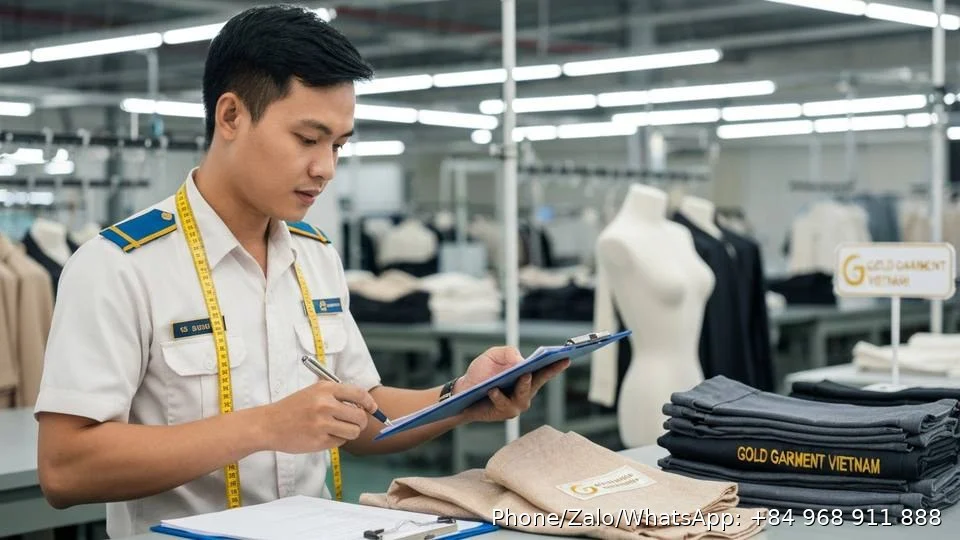
- Quality Assurance Integration: Automated inspection systems or digital checkpoints are often integrated to detect defects early, further enhancing our rigorous quality control procedures aligned with ISO standards.
- Scalability and Flexibility: Automated lines can often be reconfigured more easily for different styles and volumes, providing the flexibility needed for buyers with diverse product lines and MOQs from 50 pieces per style per color.
By prioritizing a manufacturer with a proven track record in integrating these systems, you gain a partner capable of delivering consistent quality, predictable lead times, and competitive pricing, all essential for successful international apparel sourcing.
Frequently Asked Questions
How does Gold Garment's automation impact my minimum order quantity (MOQ)?
While automation primarily enhances efficiency for larger runs, our systems are flexible enough to accommodate an MOQ starting from 50 pieces per style per color. The precision and speed of automated cutting and certain sewing operations mean we can efficiently handle smaller batches with the same high quality, making us a versatile partner for both emerging brands and established enterprises.
Can automation handle complex designs or technical fabrics for my brand?
Absolutely. Modern automation, including advanced CAD/CAM and specialized sewing units, is designed to handle intricate patterns and a wide array of materials, including complex technical performance fabrics, organic cotton, and recycled polyester. The precision of these systems ensures that complex designs are executed consistently and that specialized fabric properties are maintained throughout production, meeting the high standards required by USA, EU, and Australian markets.
What specific automated sewing technologies does Gold Garment utilize?
At Gold Garment Vietnam, we incorporate various automated sewing technologies, including advanced programmable sewing machines for specific operations (e.g., pocket setting, label attachment), automated hemming and seaming machines, and sophisticated fabric feeding systems. These are complemented by automated cutting systems and digital pattern-making, all contributing to our efficient and precise production capabilities for custom cut-and-sew garments.
How does automation contribute to the sustainability of garment production at Gold Garment?
Automation significantly contributes to sustainability by optimizing material usage through precise pattern nesting and cutting, thereby reducing fabric waste. It also allows for more efficient energy consumption in certain processes and helps track resource use, aligning with our BSCI-compliant factory standards. This focus on efficiency minimizes our environmental footprint, offering a more responsible sourcing option for our international buyers.
Ready to experience the benefits of advanced automation and a dedicated manufacturing partner? Send us your specifications, and we will respond with a detailed quote within 24 hours. Contact Gold Garment — no obligation.


