


How to source custom apparel and understand your garment factory cost breakdown for bulk orders. Get a free quote today.
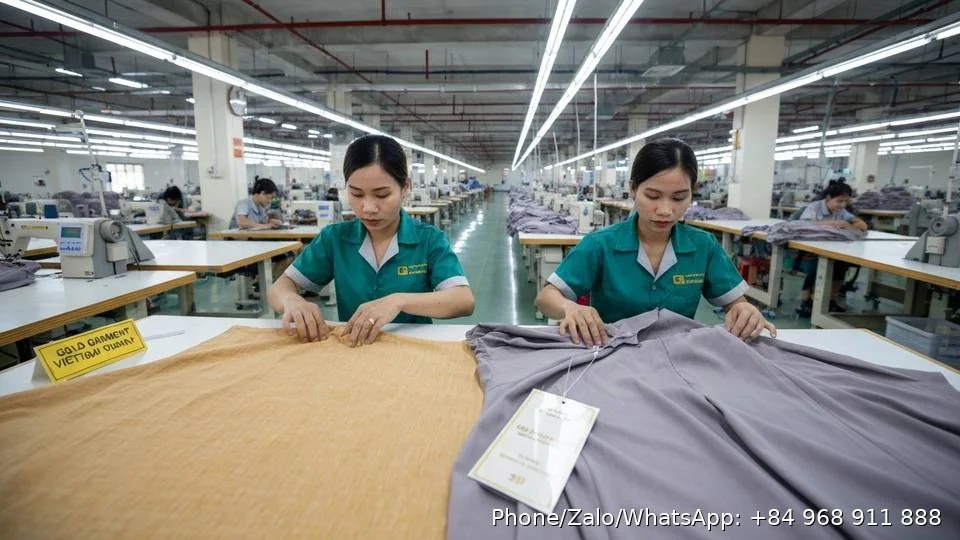
For any brand, designer, or retailer looking to bring their apparel vision to life, one of the most critical initial considerations is the garment factory cost. This isn't a single, fixed number but rather a dynamic calculation influenced by a multitude of factors, all converging to determine your project's financial viability. Understanding this complex landscape is key to successful and profitable product development. At Gold Garment Vietnam, we believe in transparent communication and equipping our B2B partners with the knowledge to make informed decisions. This guide will demystify the core components of apparel production pricing, helping you gain clarity on your investment.
Decoding Your Garment Factory Cost: A Comprehensive Breakdown
When you request a quote for garment manufacturing, the price you receive per unit is an amalgamation of several distinct elements. It's crucial to look beyond the final figure and comprehend what drives it. A comprehensive garment manufacturing pricing structure typically includes:
- Fabric and Material Costs: This is often the largest component. It covers the primary fabric, linings, interlinings, and any specialized materials. Factors include fiber type (cotton, polyester, blends, organic, recycled), weave, finish, weight, country of origin, and quantity purchased.
- Trims and Embellishments: Buttons, zippers, labels, tags, drawstrings, elastic, appliques, and any other decorative or functional additions fall under this category. The type, quality, and quantity of these items significantly impact the cost.
- Labor Costs (Cut & Sew): This accounts for the skilled labor required for pattern making, cutting, sewing, and assembly. Labor rates vary by region and country, but also by the complexity of the garment style. More seams, intricate details, and specialized machinery requirements will increase labor time and cost.
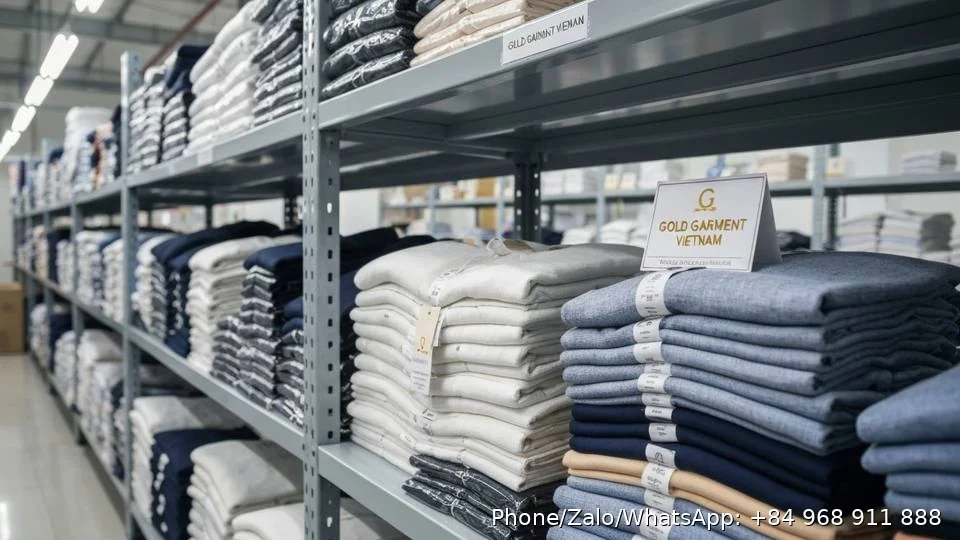
- Finishing and Packaging: This includes services like washing, pressing, quality control inspection, folding, polybagging, tagging, and boxing for shipment. Specific packaging requirements can add to the per-unit cost.
- Logistics and Shipping: While often quoted separately, the cost of moving raw materials to the factory and finished goods to your destination port is a critical part of your overall garment production expenses.
- Factory Overhead & Profit Margin: This covers the factory's operational expenses (rent, utilities, machinery maintenance, administrative staff) and their profit margin, which enables them to sustain and grow their business.
Understanding these distinct components allows you to identify areas where costs can be managed or optimized without compromising quality.
Key Components of Clothing Production Cost Breakdown
A detailed clothing production cost breakdown goes beyond just the material and labor. It encompasses every step from concept to delivery. For full-package OEM (Original Equipment Manufacturer) and ODM (Original Design Manufacturer) services like those offered by Gold Garment Vietnam, the quote often reflects a streamlined process that integrates many of these steps. Here’s a closer look at what contributes to the overall apparel cost:
- Pattern Making and Grading: Creating the initial pattern and then grading it to various sizes (e.g., XS to 4XL, custom US/EU/AU standards) is a specialized skill. This is a foundational cost, often a one-time fee per style.
- Sample Development: Creating a prototype or sample garment is essential for fit, style, and quality approval before bulk production. Gold Garment's sample lead time is 10-14 days, reflecting the careful attention to detail in this crucial phase.
- Fabric Sourcing and Purchase: The cost and availability of your chosen fabric will dictate a large portion of your budget. Our network allows us to source a wide range of fabrics, including cotton, polyester, blends, organic cotton, recycled polyester, and technical performance fabrics.
- Custom Branding Elements: Do you require embroidery, screen printing, heat transfer, sublimation, or custom woven labels? Each branding method has its own cost structure, influenced by complexity, colors, size, and quantity. These are integral to your private label clothing cost.
- Quality Assurance: Reputable factories like Gold Garment, with ISO-aligned quality management and BSCI compliance, integrate rigorous quality checks throughout the production process. While this ensures a high-quality product, it is an essential part of the operational cost.
Each of these elements contributes to the total investment, providing a clear picture of where your money is going.
How Fabric & Materials Impact Garment Manufacturing Pricing
The choice of fabric and materials is arguably the single most impactful decision on your garment manufacturing pricing. From the hand-feel of organic cotton to the durability of recycled polyester or the specific properties of a technical performance fabric, each choice carries a distinct price point. Here's how to navigate this critical aspect:
- Fiber Content and Origin: Natural fibers like premium cotton or linen generally cost more than synthetic options like standard polyester. Organic or specialty fibers (e.g., bamboo, Tencel) command even higher prices due to cultivation methods and certifications. The country of origin for the raw material also plays a role.
- Fabric Construction: Woven fabrics versus knits, specific weaves (e.g., twill, satin, jersey, fleece), and fabric weight (GSM – grams per square meter) all affect the cost of the material. Denser, heavier, or more intricately woven fabrics are typically more expensive.
- Dyeing and Finishing: Specialty dyeing techniques (e.g., reactive dyeing, garment dyeing) or advanced finishes (e.g., water-repellent, anti-microbial, wrinkle-free) add value and cost to the raw fabric.
- Minimum Order Quantities (MOQs): Fabric mills often have their own MOQs. If your order falls below this, the fabric cost per meter will increase significantly, or you may be limited to "in-stock" colors and qualities, which might not perfectly match your vision.
- Trims & Accessories: Just like fabric, trims such as YKK zippers versus generic alternatives, custom-designed buttons versus stock options, or high-definition woven labels versus printed labels, will affect the unit price.
At Gold Garment, we work with a wide array of high-quality fabrics and trims, and our experienced team can guide you in selecting materials that align with both your design vision and your target apparel MOQ pricing.
Optimizing for Better Bulk Order Garment Pricing
One of the most straightforward ways to achieve better garment factory cost is through economies of scale. Bulk order garment pricing is designed to reward larger quantities, as many fixed costs (like pattern making, sample development, and machine setup) are spread across more units. Here’s how to optimize:
- Increase Order Volume: This is the primary driver. Higher MOQs mean lower per-unit costs for fabric, trims, and labor. Gold Garment offers competitive MOQ from 50 pieces per style per color, allowing flexibility while still providing cost benefits for larger runs.
- Consolidate Styles and Colors: If possible, combine similar styles or use common fabrics across different products to reach higher fabric MOQs. Ordering larger quantities of a single color also helps reduce dyeing costs.
- Standardize Materials: Utilizing readily available, standard fabrics and trims can reduce sourcing time and cost compared to custom-developed materials.
- Streamline Design Complexity: While custom cut-and-sew garments are our specialty, simpler designs with fewer seams, less intricate detailing, and fewer fabric changes will inherently have lower labor costs.
- Plan Ahead: Longer lead times can sometimes allow for more cost-effective sourcing of materials and better production scheduling. Our bulk lead time is 30-45 days after sample approval, giving ample time for efficient planning.
Gold Garment serves clients across the USA, Europe (EU), Australia, UK, Canada, and the Middle East, understanding the need for scalable solutions that balance quality and cost-effectiveness in apparel production.
Understanding Private Label Clothing Cost and MOQ
Private label clothing production involves manufacturing garments under your brand's name, using your designs and specifications. The private label clothing cost is heavily influenced by customization and the apparel MOQ pricing structure. For emerging brands, understanding this relationship is vital.
- Design Complexity: Highly customized designs with unique cuts, intricate construction, or specialized features will naturally incur higher development and labor costs than more basic styles.
- Fabric and Material Exclusivity: If you require custom-developed fabrics or trims that aren't readily available, this will contribute significantly to your cost. Our wide fabric range and sourcing capabilities help mitigate this.
- Branding Elements: Custom woven labels, hang tags, special packaging, embroidery, screen printing, heat transfers, or sublimation for your brand's logo all add to the unit cost. The more detailed and numerous your branding elements, the higher the overall expense.
- Minimum Order Quantity (MOQ): Our MOQ of 50 pieces per style per color is designed to support both established and growing brands. While lower MOQs offer flexibility, increasing your order volume helps spread fixed costs (like pattern making and sample development) over more units, significantly reducing the per-unit private label clothing cost. This is a crucial factor in achieving competitive vietnam clothing factory rates.
- Size Range: Producing garments across a wide size range (e.g., XS to 4XL, with custom size grading) requires more pattern work and careful cutting, which is factored into the cost.
Gold Garment specializes in full-package OEM and ODM production, offering comprehensive solutions that cover all these aspects while ensuring your brand's vision is accurately translated into high-quality garments.
Navigating Vietnam Clothing Factory Rates: A Competitive Edge
Vietnam has emerged as a leading garment manufacturing hub, renowned for its skilled workforce, strategic location, and competitive pricing. When considering vietnam clothing factory rates, several factors contribute to the country's appeal and the value it offers:
- Skilled Labor Force: Vietnam boasts a highly experienced and efficient garment manufacturing workforce. This expertise ensures high-quality craftsmanship while maintaining reasonable labor costs compared to many developed nations.
- Competitive Cost Structure: While not the absolute cheapest, Vietnam offers an excellent balance of cost-effectiveness and quality. Labor, utility, and operational costs are generally lower than in many other major manufacturing countries, contributing to attractive garment production expenses for international buyers.
- Trade Agreements: Vietnam benefits from numerous Free Trade Agreements (FTAs) with major markets like the USA, EU, UK, Canada, and Australia. These agreements can result in reduced or eliminated tariffs, further enhancing the competitiveness of vietnam clothing factory rates for importers.
- Modern Infrastructure: Vietnam has invested significantly in its infrastructure, including ports and logistics, facilitating efficient import of raw materials and export of finished goods. Located in Ho Chi Minh City, Gold Garment benefits from this robust network.
- Ethical Manufacturing: Factories like Gold Garment are BSCI-compliant, ensuring ethical labor practices and safe working conditions. This commitment to social responsibility is increasingly important for brands and consumers alike.
Partnering with a Vietnamese garment manufacturer like Gold Garment provides access to a reliable supply chain that balances affordability with exceptional quality and ethical standards.
Strategies for Controlling Custom Apparel Manufacturing Price
Managing the custom apparel manufacturing price effectively requires a proactive approach and clear communication with your factory. Here are actionable strategies to keep your project within budget:
- Provide Detailed Tech Packs: The more information you provide upfront – including detailed sketches, material specifications, measurements, branding placements, and packaging requirements – the more accurate your initial quote will be. This reduces revisions and potential cost overruns.
- Consider Fabric Alternatives: If your initial fabric choice pushes the budget, be open to exploring similar alternatives that offer a comparable look and feel at a lower price point. Our team can assist with fabric sourcing suggestions.
- Simplify Design Elements: While customization is key, evaluate if every design detail is essential. Removing unnecessary seams, pockets, or complex construction elements can significantly reduce labor time and cost.
- Optimize for MOQs: Understand how Gold Garment's MOQ of 50 pieces per style per color impacts your unit cost. Strategic planning to increase order volumes where possible can lead to substantial savings.
- Plan for Bulk Production: Order samples and approve them swiftly to avoid delays that can impact production schedules and potentially incur rush charges. Our 30-45 day bulk lead time is efficient, but timely approvals are critical.
- Consolidate Branding: If you have multiple branding elements, consider if they can be combined or simplified. For example, using one type of label across different styles, or a two-color screen print instead of four.
- Communicate Clearly: Maintain open and regular communication with your production partner. Early identification of potential issues and collaborative problem-solving can prevent costly mistakes.
By implementing these strategies, you can gain greater control over your custom apparel manufacturing price and ensure a successful, cost-effective production run.
Frequently Asked Questions
What is the typical minimum order quantity (MOQ) for garment production?
MOQs vary significantly between factories and depending on the garment type and complexity. At Gold Garment Vietnam, our MOQ starts from 50 pieces per style per color, offering flexibility for both growing and established brands seeking custom cut-and-sew garments.
How does fabric choice impact the overall garment factory cost?
Fabric choice is a primary driver of cost. Factors like fiber type (e.g., organic cotton vs. standard polyester), weave, weight, and any specialized finishes (e.g., water-repellent) directly affect the material cost per meter, which in turn influences the unit price of the garment. Higher quality, specialty, or ethically sourced fabrics generally lead to a higher garment factory cost.
What details do I need to provide to get an accurate clothing production cost breakdown?
To receive an accurate quote, you should provide a comprehensive tech pack including detailed design sketches (front and back), material specifications (fabric type, weight, composition), trim details (buttons, zippers, labels), size chart with measurements, desired branding methods (embroidery, print specs), and target quantities per style and color.
How can I reduce my apparel manufacturing pricing without sacrificing quality?
Strategies include increasing your order volume to benefit from economies of scale, simplifying design complexity, choosing readily available fabrics and trims, consolidating branding elements, and providing clear, detailed specifications upfront to minimize revisions. Gold Garment can advise on cost-effective material alternatives and production methods.
What is the lead time for sampling and bulk production?
At Gold Garment Vietnam, our typical lead time for sample development is 10-14 days. Once the sample is approved, bulk production generally takes 30-45 days, depending on the complexity of the order and current factory capacity. Efficient communication and timely approvals are crucial to maintaining these timelines.
Understanding the intricacies of garment factory cost is a powerful asset for any brand. By partnering with a transparent and experienced manufacturer like Gold Garment Vietnam, you gain not just a production partner, but a team dedicated to helping you navigate these complexities and achieve your goals. We pride ourselves on delivering high-quality, custom apparel with clear communication and competitive pricing.
Ready to get started? Send us your specifications and we will respond with a detailed quote within 24 hours. Contact Gold Garment — no obligation.
Related Articles
Editor's note (2026): In 2026, Gold Garment expanded its cost affordable offering, with updated freight forwarding options including DHL Express and LCL/FCL sea freight. Contact our team for updated pricing and current factory availability.


