


Sourcing ethical clothing suppliers for your brand? Discover comprehensive guidelines for responsible sourcing and garment manufacturing. Inquire now
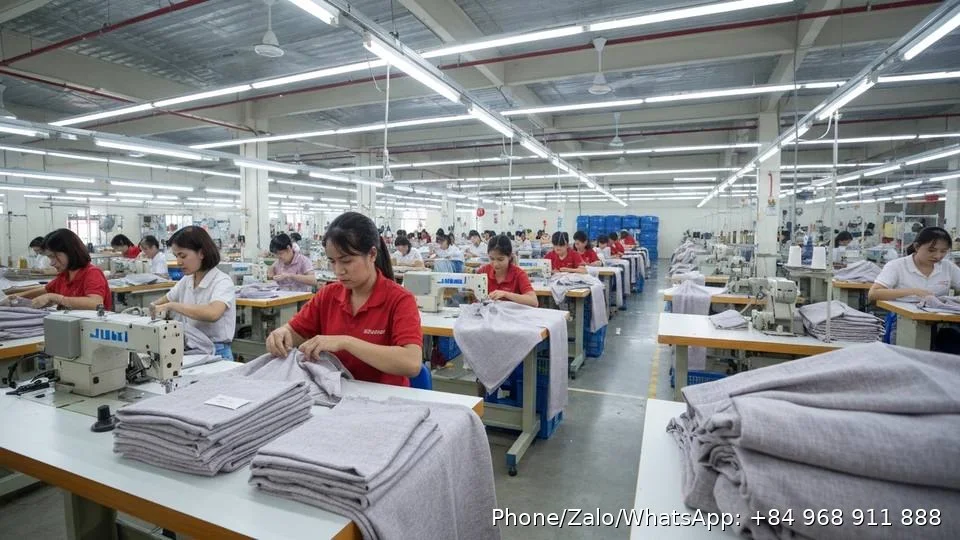
The global apparel industry is undergoing a significant transformation, driven by consumer demand and regulatory pressures for more responsible production. For B2B buyers, this means that merely finding a manufacturer capable of producing quality garments at a competitive price is no longer enough. The modern market demands a commitment to ethics, sustainability, and transparency. This comprehensive guide will walk you through the essential considerations when selecting an ethical clothing supplier, offering practical insights to help your brand make informed decisions and build a truly responsible supply chain.
Defining Ethical Garment Manufacturing: What Buyers Need to Know
When you embark on the journey to find ethical clothing suppliers, it's crucial to first understand what "ethical" truly encompasses in the context of garment manufacturing. It’s far more than just avoiding child labor, though that is a foundational principle. Ethical manufacturing involves a holistic approach that prioritizes the well-being of workers, minimizes environmental impact, and fosters transparent business practices throughout the entire supply chain.
Key pillars include fair wages, safe working conditions, reasonable working hours, and freedom of association for all employees. It means zero tolerance for forced labor, discrimination, or harassment. From an environmental perspective, an ethical garment factory is committed to reducing waste, conserving water, managing chemicals responsibly, and exploring renewable energy sources. This commitment extends beyond the factory walls to how raw materials are sourced, ensuring they are produced without exploiting natural resources or human labor. For brands, understanding these facets is the first step toward building a supply chain that aligns with your values and meets the expectations of today’s conscious consumer.
Decoding Social Compliance Audits and Certifications
One of the most concrete ways to verify a potential supplier's ethical standing is through independent third-party audits and certifications. These mechanisms provide an objective assessment of a factory's adherence to international labor standards and ethical practices. For buyers seeking an ethical garment factory, understanding these certifications is non-negotiable.
The Business Social Compliance Initiative (BSCI) is a leading example. A BSCI certified apparel factory demonstrates a commitment to improving working conditions across its supply chain. This certification involves regular audits against the BSCI Code of Conduct, covering areas like fair remuneration, occupational health and safety, no child labor, no forced labor, ethical business behavior, and protection of the environment. Beyond BSCI, other certifications like WRAP (Worldwide Responsible Accredited Production) and SA8000 also offer robust frameworks for social compliance. When evaluating suppliers, always request their latest audit reports and inquire about their corrective action plans. A reputable supplier, like Gold Garment Vietnam, will openly share their compliance documentation, including their BSCI-compliant factory status and ISO-aligned quality management, providing tangible proof of their dedication to ethical operations.
Beyond Compliance: Practicing Sustainable Apparel Production
While social compliance addresses the human element, sustainability focuses on environmental responsibility. A truly ethical clothing supplier integrates sustainable practices throughout its operations, from material selection to waste management. This is where the concept of a sustainable clothing supplier goes beyond minimum requirements and seeks to make a positive environmental impact.
For brands, inquire about a manufacturer’s approach to eco-friendly textile production. Are they offering organic cotton, recycled polyester, or other low-impact fabrics? Gold Garment, for instance, offers a wide range of fabrics including organic cotton and recycled polyester, catering to brands committed to reducing their ecological footprint. Ask about their water usage, energy consumption, and waste reduction programs. Do they have systems in place for wastewater treatment? Are they actively looking for ways to reduce their carbon emissions? These details are critical indicators of a manufacturer's genuine commitment to environmental stewardship. A supplier that can articulate and demonstrate these practices provides a stronger partnership for brands building a truly green collection.
Building a Transparent Supply Chain: From Fiber to Finished Product
Transparency is the bedrock of trust in ethical sourcing. For brands, having visibility into every stage of your product's journey, from the origin of raw materials to the final stitch, is paramount. This allows for accountability and ensures that ethical standards are maintained consistently. When seeking transparent supply chain clothing brands, it means partnering with manufacturers who are willing to share detailed information about their processes and partners.
An ethical clothing supplier will be open about their sub-suppliers (e.g., fabric mills, dyeing facilities, trim suppliers) and provide traceability for materials. They should be able to tell you where their fabrics come from, how they are processed, and under what conditions. This level of detail helps prevent hidden unethical practices further upstream in the supply chain. Gold Garment Vietnam is committed to clear communication and detailed information sharing, ensuring our partners have a comprehensive understanding of their product’s journey. This transparency fosters greater trust and helps brands confidently communicate their ethical efforts to their own customers.
Selecting Your Ethical Clothing Supplier: Practical Vetting Strategies
Choosing the right ethical clothing supplier requires a structured approach. Beyond certifications, there are practical steps you can take to vet potential partners and ensure alignment with your brand's values. First, conduct thorough due diligence. This includes reviewing their company history, client testimonials, and internal policies related to ethics and sustainability. Ask for references from other B2B buyers, particularly those with similar ethical mandates.
Secondly, visit the factory if possible, or arrange for a virtual tour if travel is not feasible. Observing the working conditions firsthand, interacting with employees (if appropriate and permitted), and seeing their quality control and waste management systems in action provides invaluable insights. Pay attention to the factory's culture – a truly ethical workplace often exhibits a respectful and positive atmosphere. Discuss their minimum order quantities (MOQs) and lead times, ensuring they align with your business model. Gold Garment offers flexible MOQs from 50 pieces per style per color, with sample lead times of 10-14 days and bulk production at 30-45 days, making ethical production accessible for a wide range of brands.
Gold Garment's Approach to Responsible Sourcing and Quality
At Gold Garment Vietnam, our mission is to be more than just a manufacturer; we aim to be a trusted partner in your brand's journey towards responsible production. Located in Ho Chi Minh City, we specialize in full-package OEM and ODM production, offering custom cut-and-sew garments with an unwavering commitment to ethical standards. Our factory is BSCI-compliant, reflecting our dedication to fair labor practices and safe working environments for our skilled team.
We combine this social responsibility with a robust quality management system aligned with ISO standards, ensuring every garment we produce meets international benchmarks for craftsmanship and durability. Our capabilities span a wide range of fabrics, including cotton, polyester, blends, organic cotton, recycled polyester, and technical performance fabrics, allowing us to cater to diverse design and sustainability requirements. We provide comprehensive branding options such as embroidery, screen printing, heat transfer, sublimation, and custom woven labels, alongside precise size grading from XS to 4XL for USA, Europe, and Australia markets. Our goal is to make high-quality, ethically produced garments accessible for international B2B buyers across the USA, Europe, Australia, UK, Canada, and the Middle East.
Partnering for Impact: Your Journey with a Fair Trade Apparel Partner
Choosing an ethical clothing supplier is an investment not just in your product, but in your brand's reputation and its positive impact on the world. Partnering with a manufacturer that champions principles akin to fair trade apparel means aligning with a company that prioritizes people and planet alongside profit. This commitment resonates deeply with consumers and can be a powerful differentiator in a crowded market.
When you collaborate with a manufacturer like Gold Garment, you're not just placing an order; you're building a relationship with a partner dedicated to responsible sourcing garment production. We understand the complexities of the global supply chain and are equipped to navigate them with integrity. Our team is ready to support your vision, from initial design concepts to final delivery, ensuring that every step of the process adheres to the highest ethical and quality standards. This collaborative approach allows your brand to grow confidently, knowing that your garments are produced with care and consciousness.
Frequently Asked Questions
What certifications should I look for in an ethical clothing supplier?
Buyers should prioritize certifications like BSCI, WRAP, and SA8000, which indicate a commitment to social compliance and fair labor practices. These third-party audits verify that a factory adheres to international standards regarding wages, working hours, health and safety, and environmental protection. Gold Garment is a BSCI-compliant factory.
How can I verify a manufacturer's claims of sustainability?
To verify sustainability claims, inquire about their fabric sourcing (e.g., organic cotton, recycled polyester), waste reduction programs, water and energy consumption practices, and chemical management. Ask for specific data or certifications related to environmental performance, such as GOTS for organic textiles or GRS for recycled content. Gold Garment offers a range of sustainable fabric options.
What does "transparent supply chain" mean for my clothing brand?
A transparent supply chain means having clear visibility into every stage of your product's journey, from raw material origins to final production. An ethical supplier will openly share information about their sub-suppliers (e.g., fabric mills, dye houses) and provide traceability, allowing you to ensure ethical standards are maintained throughout the entire manufacturing process.
What are the typical MOQs for ethical clothing suppliers in Vietnam?
Minimum Order Quantities (MOQs) can vary significantly depending on the manufacturer and garment type. For full-package OEM/ODM production, many ethical suppliers in Vietnam, including Gold Garment, offer flexible MOQs starting from 50 pieces per style per color, making ethical production accessible for both emerging and established brands.

Ready to get started? Send us your specifications and we will respond with a detailed quote within 24 hours. Contact Gold Garment — no obligation.


