


What you need to know about ethiopian clothing manufacturers, including key sourcing considerations and alternatives, is here. Get a free quote today.
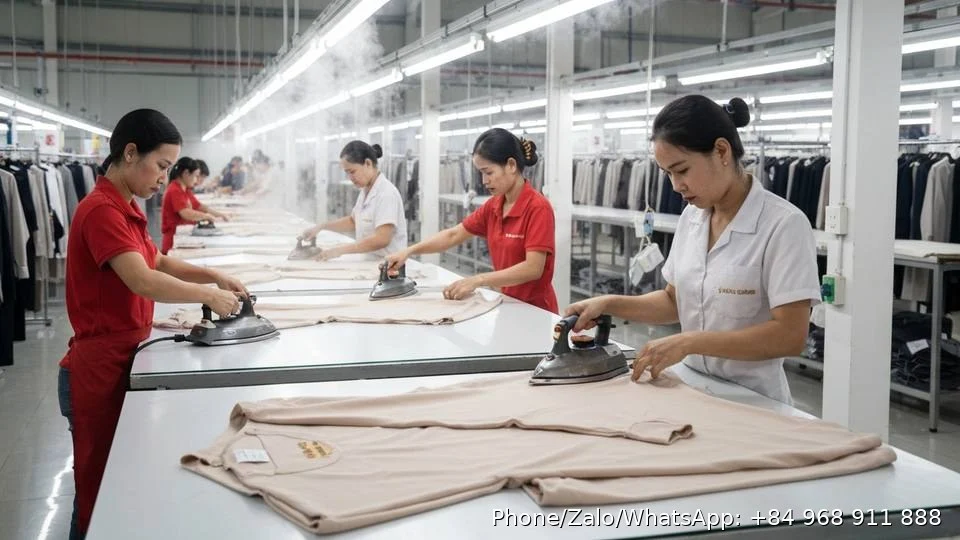
For international B2B buyers seeking to diversify their apparel supply chains or explore new manufacturing hubs, the prospect of sourcing from African nations, particularly Ethiopia, often emerges as a compelling option. The search for ethiopian clothing manufacturers typically stems from an interest in competitive pricing, duty-free access to major markets like the USA and EU through initiatives like AGOA (African Growth and Opportunity Act) and EBA (Everything But Arms), and a desire to support emerging economies with ethical garment production. However, navigating this landscape requires a nuanced understanding of both the opportunities and potential challenges inherent in sourcing from nascent manufacturing regions.
While Ethiopia presents specific advantages, a comprehensive sourcing strategy often benefits from evaluating established manufacturing powerhouses that offer stability, advanced capabilities, and a proven track record. This guide aims to provide a practical and specific overview for buyers exploring ethiopian clothing manufacturers, simultaneously presenting how a partner like Gold Garment Vietnam can complement or serve as a robust alternative, ensuring your sourcing goals for quality, efficiency, and ethical standards are met.
Navigating African Clothing Suppliers: Opportunities and Realities
The rise of African apparel suppliers, with countries like Ethiopia at the forefront, is a significant trend in global textile manufacturing. Government incentives, coupled with a large and growing labor pool, have attracted substantial foreign investment into Ethiopia garment factories. This has led to the development of industrial parks designed to streamline production and export. For buyers, the primary draw often revolves around cost-effective garment factories East Africa offers, alongside the aforementioned preferential trade agreements. These agreements can translate into significant cost savings for brands importing into the US and European markets, making the region an attractive proposition for specific product categories.
However, the reality of sourcing from emerging markets often involves a learning curve. While the potential for low labor costs is appealing, buyers must factor in other variables such as infrastructure development, logistics capabilities, and the maturity of the supply chain. Establishing robust quality control processes and ensuring consistent adherence to design specifications can be more challenging compared to regions with decades of experience in high-volume, high-quality apparel export. Understanding these nuances is crucial for any buyer seriously considering the region.
Key Considerations When Evaluating Ethiopia Garment Factories
When you specifically look at Ethiopia garment factories, a deeper dive into operational factors is necessary. While the government has invested heavily in creating industrial zones, the overall textile manufacturing Africa ecosystem might still be developing compared to more established regions. Buyers need to assess the factory's specific capabilities, not just the country's general offerings. This includes evaluating their equipment, their experience with your product type, and their approach to quality management. Communication can also be a significant factor; language barriers and differences in business culture can impact project timelines and precision.
Furthermore, while the cost benefits of reduced tariffs are clear, buyers must also consider the costs associated with potentially longer lead times due to less developed logistics networks, or the need for more intensive oversight to ensure production standards. It's not uncommon for buyers to seek diversification, using Ethiopian apparel export companies for basic items while relying on established partners for more complex or time-sensitive projects. Gold Garment, based in Vietnam, offers a contrasting model with a well-established infrastructure, experienced workforce, and a clear communication channel, ensuring reliability and precision for custom cut-and-sew garments.
Ensuring Ethical Garment Production and Sustainability in Your Supply Chain
For many international brands, ethical garment production Africa and sustainable practices are non-negotiable. While Ethiopia has made strides in establishing labor laws and encouraging responsible manufacturing, buyers must conduct thorough due diligence on individual factories. Certifications, audit reports, and direct factory visits are essential to verify claims of fair wages, safe working conditions, and environmental compliance. Transparency in the supply chain is paramount.
Gold Garment Vietnam is a BSCI-compliant factory, demonstrating our commitment to ethical labor practices and social responsibility. Our operations are also aligned with ISO quality management principles, ensuring a systematic approach to production that considers both quality and environmental impact. We source a wide range of fabrics including organic cotton and recycled polyester, supporting sustainable clothing manufacturers Ethiopia and other regions strive for. Our focus on efficient production methods also minimizes waste, contributing to a greener footprint. Buyers concerned with these aspects will find Gold Garment's verifiable standards a reassuring factor in their sourcing decisions.
Addressing Minimum Order Quantities for Apparel Sourcing
One common challenge for small to medium-sized businesses and emerging brands exploring global sourcing is meeting high Minimum Order Quantities (MOQs). While some low MOQ apparel sourcing Africa options might exist, larger, more established factories in any region often require higher volumes to justify setup costs and achieve economies of scale. This can be a barrier for brands testing new designs, launching limited collections, or those with niche markets.
Gold Garment offers a highly flexible solution with MOQs starting from just 50 pieces per style per color. This capability is particularly attractive for buyers who might find the MOQs of some ethiopian clothing manufacturers too high, or for those seeking to diversify their supply with smaller, more agile runs. This flexibility allows brands to manage inventory more efficiently, reduce financial risk, and respond quickly to market trends without being burdened by excess stock. Our low MOQ also supports designers looking for full-package OEM and ODM production, where prototyping and small-batch testing are crucial.
Beyond Cost: Prioritizing Quality and Consistency in Textile Manufacturing Africa
While cost-effectiveness is a key driver for exploring textile manufacturing Africa, it should never come at the expense of quality and consistency. For brands building a reputation, reliable product quality is paramount. Emerging manufacturing hubs can sometimes struggle with maintaining consistent quality across large production runs, due to factors like less experienced labor, limited access to advanced machinery, or less mature quality control systems. Technical capabilities for specific fabrics or intricate designs might also be a differentiating factor.
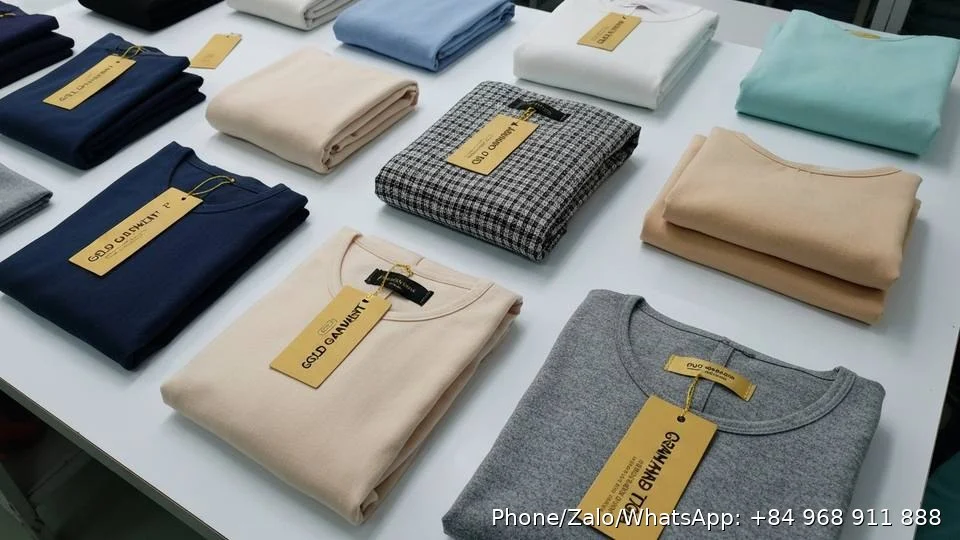
Gold Garment excels in delivering consistent, high-quality garments. We have a skilled workforce and advanced machinery to produce custom cut-and-sew garments across various fabric types, including cotton, polyester, blends, and specialized technical performance fabrics. Our robust quality management system, aligned with ISO standards, ensures meticulous attention to detail from fabric cutting to final inspection. We offer comprehensive branding solutions such as embroidery, screen printing, heat transfer, sublimation, and custom woven labels. Furthermore, our expertise in custom size grading for US/EU/AU standards ensures that your garments fit your target market perfectly, from XS to 4XL. This level of precision and consistency is a key differentiator that Gold Garment offers to buyers evaluating apparel export options globally.
Diversifying Your Supply Chain for Resilience and Growth
Relying on a single manufacturing region, even a promising one like Ethiopia, can expose businesses to various risks—geopolitical instability, natural disasters, or unexpected shifts in trade policies. Smart sourcing strategies involve diversification. While evaluating ethiopian clothing manufacturers, buyers should also consider established and reliable alternatives that offer complementary strengths. Vietnam, for instance, has a reputation for political stability, a highly skilled labor force, and sophisticated manufacturing capabilities that have been honed over decades of serving demanding international markets in the USA, Europe (EU), Australia, UK, Canada, and the Middle East.
Gold Garment provides a compelling option for supply chain diversification. With sample lead times of 10-14 days and bulk production lead times of 30-45 days after sample approval, we offer predictable and efficient turnaround times. Our full-package OEM and ODM capabilities mean we can handle everything from design consultation to final production, reducing the complexity of managing multiple vendors. By partnering with Gold Garment, buyers can enhance their supply chain's resilience, ensuring access to high-quality production even if disruptions occur elsewhere, and leveraging Vietnam's advantages in precision and speed.
Frequently Asked Questions
What are the primary benefits of sourcing from Ethiopia?
The main benefits often cited for sourcing from Ethiopia include competitive labor costs and duty-free access to major markets like the USA (via AGOA) and EU (via EBA), which can significantly reduce import costs. It's also seen as an opportunity to support emerging economies in Africa.
How does Vietnam compare to Ethiopian clothing manufacturers in terms of pricing?
While Ethiopia may offer lower labor costs and duty benefits for specific markets, Vietnam often provides a better overall value proposition when considering factors like efficiency, established supply chains, higher productivity, and consistent quality. Gold Garment focuses on providing cost-effective solutions through operational excellence and scale, often resulting in competitive landed costs when all factors (quality, lead time, reliability) are considered.
Can Gold Garment handle smaller production runs like some African clothing suppliers?
Yes, Gold Garment specializes in flexible production with Minimum Order Quantities (MOQ) starting from just 50 pieces per style per color. This is highly competitive and often more flexible than many larger factories, including some Ethiopian apparel export companies, making us an excellent choice for emerging brands or those needing to test new designs.
What are the common challenges when sourcing from East Africa, and how does Gold Garment mitigate them?
Common challenges in East Africa can include developing infrastructure, logistics complexities, potential inconsistencies in quality control, and communication barriers. Gold Garment, operating in Vietnam, mitigates these by offering a mature and stable manufacturing environment, a highly efficient logistics network, ISO-aligned quality management, and clear communication channels with extensive experience serving US, EU, and AU markets.
Is Gold Garment able to support ethical and sustainable garment production standards?
Absolutely. Gold Garment is a BSCI-compliant factory, demonstrating our strong commitment to ethical labor practices, fair wages, and safe working conditions. We also incorporate sustainable practices by offering fabrics like organic cotton and recycled polyester, and through efficient production processes that minimize waste, aligning with global demands for responsible manufacturing.
Ready to get started? Send us your specifications and we will respond with a detailed quote within 24 hours. Contact Gold Garment — no obligation.


