


A practical guide to sustainable apparel manufacturing solutions and ethical sourcing for B2B brands looking for a reliable partner. Get a free quote
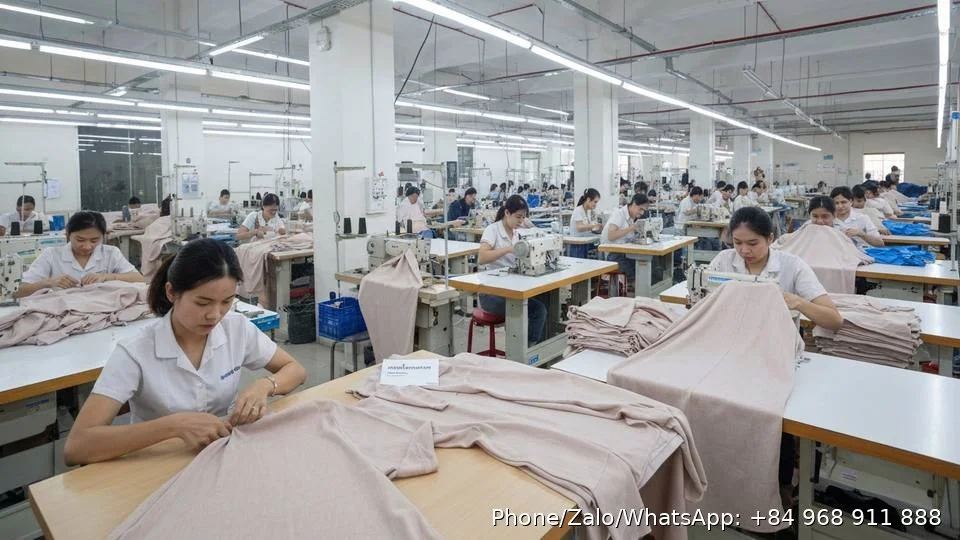
The global apparel industry is undergoing a significant transformation, driven by consumer demand for transparency and ethical practices, coupled with increasing regulatory pressures. For B2B buyers, navigating the complexities of sustainable apparel manufacturing is no longer optional; it's a strategic imperative. This guide aims to provide actionable insights for brands seeking to integrate sustainability into their supply chains, from textile sourcing to final garment production, with a focus on opportunities in Vietnam.
Understanding Sustainable Apparel: Beyond Greenwashing
When searching for "sustainable apparel manufacturing," buyers are often looking for more than just buzzwords; they need tangible, verifiable commitments. True sustainability in apparel encompasses environmental stewardship, social equity, and economic viability throughout the entire lifecycle of a garment. It’s about minimizing ecological footprints, ensuring fair labor practices, and fostering long-term resilience within the supply chain.
For international brands, this means scrutinizing every stage: from raw material extraction and processing to fabric production, cut-and-sew operations, dyeing, finishing, and logistics. It also involves designing for durability, recyclability, and reduced waste. A truly sustainable approach moves beyond simply using an "eco-friendly" label to embrace a holistic view of responsibility. This often translates into specific choices like opting for organic cotton over conventional, utilizing recycled materials, and ensuring factories uphold stringent social compliance standards. For brands seeking to initiate sustainable clothing production Vietnam offers a mature and growing ecosystem of manufacturers committed to these evolving standards.
Navigating Eco-Friendly Textile Sourcing Options
The foundation of any sustainable garment begins with its materials. The textile industry is notoriously resource-intensive, making smart sourcing critical. Buyers must understand the array of eco-friendly textile options available and their respective benefits and limitations. This includes:
- Organic Cotton: Grown without synthetic pesticides, herbicides, or GMOs, organic cotton significantly reduces environmental impact compared to conventional cotton. Look for GOTS (Global Organic Textile Standard) certification as a reliable indicator. As an experienced organic cotton garment supplier, Gold Garment can source certified organic cotton to meet your design specifications.
- Recycled Polyester (rPET): Made from post-consumer plastic bottles or pre-consumer waste, rPET reduces reliance on virgin petroleum and diverts waste from landfills. This is a common choice for activewear and technical garments. We work with various suppliers for recycled fabric apparel factory production.
- Linen and Hemp: These natural fibers require less water and pesticides than cotton and are highly durable and biodegradable.
- Lyocell (Tencel™): A regenerated cellulosic fiber made from wood pulp in a closed-loop process, minimizing chemical and water usage.
- Blended Fabrics: Often, the optimal solution combines these sustainable fibers with others to achieve desired performance, drape, or cost-effectiveness, while still maximizing environmental benefit.
Effective eco-friendly textile sourcing requires a manufacturing partner with strong supplier relationships and expertise in verifying material claims. Gold Garment Vietnam has established robust networks with local and international fabric mills, ensuring access to a wide range of sustainable materials that meet global standards.
Ensuring Ethical Garment Manufacturing and Labor Standards
Beyond environmental considerations, the "social" pillar of sustainability is paramount. Buyers must prioritize factories that adhere to stringent ethical labor practices, ensuring fair wages, safe working conditions, and respect for human rights. This is where certifications and transparent audits become invaluable.
- Social Compliance Audits: Independent third-party audits, such as BSCI (Business Social Compliance Initiative), SMETA, or SA8000, provide a critical assessment of a factory's social performance. These audits cover aspects like child labor, forced labor, discrimination, working hours, health & safety, and fair remuneration.
- Fair Trade Principles: While often associated with specific products, the principles of fair trade—equitable wages, safe working conditions, environmental protection, community development—are applicable across the board. Choosing a fair trade certified factory Vietnam (or one adhering to its principles) ensures that your garments are produced under conditions that empower workers.
- Local Labor Laws: A reputable manufacturing partner will not only comply with international standards but also strictly adhere to all local labor laws and regulations in Vietnam.
Gold Garment Vietnam is a BSCI-compliant factory, demonstrating our commitment to upholding high ethical standards in our operations. Our factory ensures fair wages, reasonable working hours, and a safe and healthy environment for all employees, positioning us as an ethical garment manufacturing supplier for international brands.
Implementing Green Manufacturing Practices at Scale
Sustainable apparel production extends into the manufacturing process itself. Factories committed to sustainability actively implement practices that reduce waste, conserve resources, and minimize pollution. For buyers, this means looking for partners who prioritize:
- Waste Reduction: Efficient pattern making, intelligent fabric cutting, and recycling of fabric scraps are crucial. Implementing a lean manufacturing approach reduces material waste at every stage.
- Water Conservation: Dyeing and finishing processes are often water-intensive. Factories employing advanced water treatment, recycling systems, and low-impact dyeing techniques contribute significantly to water conservation.
- Energy Efficiency: Utilizing energy-efficient machinery, optimizing lighting and HVAC systems, and exploring renewable energy sources (solar panels, for example) reduce the carbon footprint of production.
- Chemical Management: Strict control and safe disposal of chemicals used in dyeing and finishing are essential to prevent water and soil contamination. Look for certifications like OEKO-TEX Standard 100.
- Circular Economy Principles: Embracing design for longevity, repairability, and ultimately, recyclability or biodegradability of garments.
At Gold Garment Vietnam, we continuously review and refine our processes to incorporate green manufacturing practices. Our ISO-aligned quality management system supports efficient resource utilization and minimizes our environmental impact during production of your custom cut-and-sew garments.
Achieving a Transparent and Traceable Apparel Supply Chain
In the era of conscious consumerism, transparency is non-negotiable. Brands need to know exactly where their materials come from, who made their clothes, and under what conditions. A fully transparent supply chain textiles allows buyers to verify sustainability claims and build trust with their customers.
- Material Traceability: Knowing the origin of raw materials, such as the farm where organic cotton was grown or the source of recycled polyester flakes.
- Production Visibility: Understanding each step of the manufacturing process, from spinning and weaving to dyeing, cutting, sewing, and finishing.
- Third-Party Verification: Relying on independent certifications (GOTS, OCS, GRS, BSCI, etc.) provides objective proof of sustainable and ethical practices at various points in the supply chain.
- Data Sharing: A manufacturing partner willing to share detailed information and documentation regarding their suppliers, processes, and certifications is vital for building a trustworthy supply chain.
As a full-package OEM and ODM production partner, Gold Garment Vietnam is committed to providing the necessary documentation and transparency to support your brand's sustainability reporting. We work closely with our fabric and trim suppliers to ensure clear traceability from raw material to finished product.
Choosing the Right Sustainable Apparel Manufacturing Partner in Vietnam
Vietnam has emerged as a powerhouse in garment manufacturing, offering competitive advantages, skilled labor, and a growing commitment to sustainability. For brands seeking a partner for sustainable apparel manufacturing, here’s why Gold Garment Vietnam stands out:
- Experience and Expertise: With years of experience serving international B2B buyers in USA, Europe, Australia, UK, Canada, and the Middle East, we understand the nuanced demands of global markets and sustainability standards.
- Comprehensive Capabilities: We offer full-package OEM and ODM production, managing everything from design and material sourcing to custom cut-and-sew garments, branding (embroidery, screen printing, heat transfer, sublimation, woven labels), and final quality control. This streamlines your supply chain and ensures consistency.
- Sustainable Material Sourcing: Our network of suppliers provides access to a wide array of sustainable fabrics, including organic cotton, recycled polyester, and performance blends, allowing you to meet your eco-conscious objectives.
- Ethical Production: As a BSCI-compliant factory with ISO-aligned quality management, we guarantee ethical labor practices and efficient production processes.
- Flexibility for Brands: Our MOQ starts from 50 pieces per style per color, making sustainable production accessible even for emerging brands or capsule collections. We offer custom size grading from XS to 4XL to meet US/EU/AU standards.
- Efficient Lead Times: We provide reliable lead times for samples (10-14 days) and bulk production (30-45 days after sample approval), ensuring your products get to market efficiently.
Partnering with a manufacturer like Gold Garment Vietnam means gaining a reliable ally in your journey towards a more sustainable and ethical supply chain. We are equipped to handle your unique requirements for sustainable clothing production.
Frequently Asked Questions
Can Gold Garment help with sourcing specific sustainable fabrics like organic cotton or recycled polyester?
Yes, absolutely. Gold Garment Vietnam has an established network of trusted fabric suppliers who specialize in sustainable materials. We can source certified organic cotton, recycled polyester (rPET), and various other eco-friendly blends to match your design requirements and sustainability goals.
What certifications does Gold Garment Vietnam hold regarding ethical and sustainable practices?
Gold Garment Vietnam is a BSCI-compliant factory, which demonstrates our commitment to ethical labor practices and social compliance. Additionally, our quality management system is ISO-aligned, ensuring efficient and responsible production processes, which support overall green manufacturing practices.
What are the minimum order quantities (MOQs) for sustainable apparel manufacturing at Gold Garment?
We aim to make sustainable production accessible for a range of brands. Our MOQs for custom cut-and-sew garments start from 50 pieces per style per color. This flexibility allows both established and emerging brands to integrate sustainable practices into their collections.
How does Gold Garment ensure a transparent supply chain for sustainable textiles?
We work diligently to provide traceability for your garments. This involves collaborating with our fabric and trim suppliers to obtain necessary certifications and documentation, enabling us to provide clarity on the origin and sustainable attributes of the materials used in your apparel.
What is the typical lead time for sustainable apparel orders with Gold Garment?
Our standard lead time for samples is 10-14 days. For bulk production, once samples are approved, the lead time is typically 30-45 days. These timelines are dependent on the complexity of the design and the specific fabric sourcing requirements for sustainable materials.
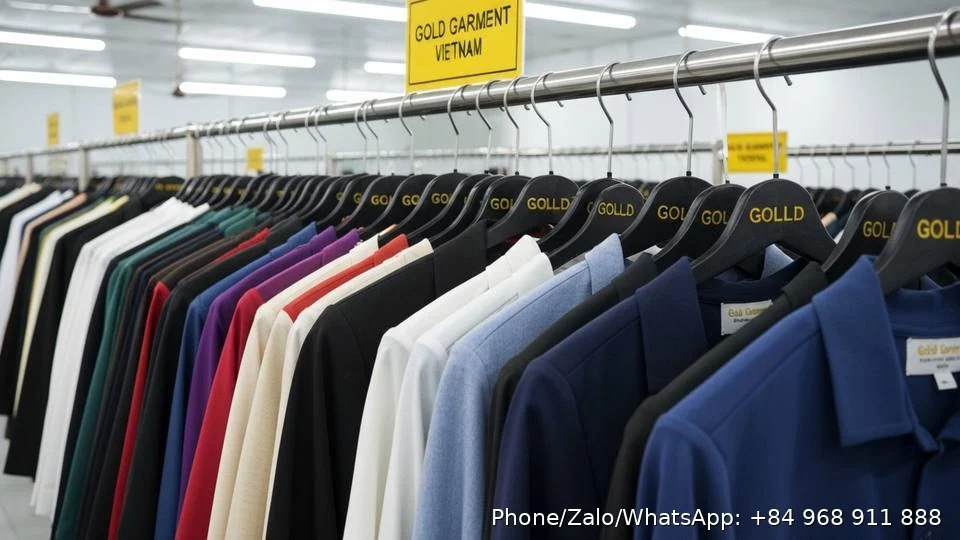
Ready to bring your sustainable apparel vision to life with a trusted manufacturing partner? Send us your specifications and we will respond with a detailed quote tailored to your project. Contact Gold Garment — no obligation.


