


How to source top ethical clothing manufacturers for your brand's sustainable apparel goals in Vietnam? Get a free quote today.
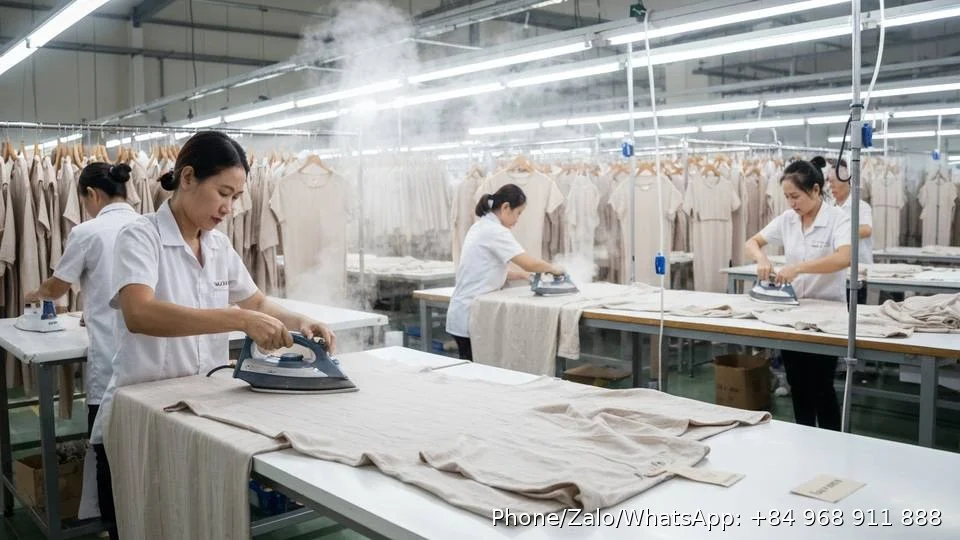
The global demand for ethically produced goods is no longer a niche market; it's a fundamental expectation. Consumers, retailers, and even investors are increasingly scrutinizing supply chains, pushing brands to prioritize transparency, social responsibility, and environmental stewardship. For B2B buyers seeking to launch or expand their apparel lines, finding reliable ethical clothing manufacturers isn't just about compliance; it's about aligning with core values and building a resilient, future-proof brand.
However, navigating the landscape of ethical manufacturing can be complex. What exactly constitutes "ethical"? How do you verify claims? What certifications matter? This comprehensive guide will equip you with the practical knowledge to identify and partner with a genuinely responsible garment production partner, ensuring your supply chain meets the highest standards, from fabric sourcing to finished product. We'll delve into the specifics that truly differentiate an ethical manufacturer, backed by real-world examples from Gold Garment Vietnam.
Defining "Ethical": What Buyers Really Need to Know
Before you begin your search for an ethical manufacturing partner, it’s crucial to understand the multifaceted definition of "ethical" in the garment industry. It extends far beyond avoiding child labor, encompassing a wide spectrum of social and environmental responsibilities. For buyers, a truly ethical clothing manufacturer demonstrates commitment in key areas:
- Fair Labor Practices: This includes fair wages (often living wages, not just minimum wage), reasonable working hours, safe and hygienic working conditions, freedom of association (allowing unions), non-discrimination, and an absolute prohibition of forced or child labor.
- Environmental Stewardship: Minimizing ecological footprint through responsible waste management, reduction of water and energy consumption, use of eco-friendly materials, and pollution prevention. An eco-friendly manufacturing partner actively seeks to reduce their impact.
- Transparency and Traceability: The ability to track the origin of materials and components throughout the supply chain, demonstrating accountability at every stage.
- Community Engagement: Manufacturers who invest in the well-being of their local communities, often through education, health programs, or infrastructure development.
Many brands often struggle with what questions to ask or what evidence to look for. Beyond simply asking, "Are you ethical?", it's about requesting specific policies, internal audit reports, and third-party certifications that substantiate their claims. At Gold Garment Vietnam, we understand these concerns and proactively implement practices that align with these principles, ensuring our partners have full visibility into our operations.
Navigating Certifications: Your Guide to a BSCI Certified Garment Supplier
One of the most effective ways to vet potential ethical clothing manufacturers is through recognized third-party certifications. These certifications provide independent verification that a factory meets specific social, environmental, or safety standards. For B2B buyers, understanding these certifications is paramount. Here are some of the most relevant:
- BSCI (Business Social Compliance Initiative): This is a leading supply chain management system that supports companies to drive social compliance and improvements within the factories and farms in their global supply chains. A BSCI certified garment supplier like Gold Garment Vietnam undergoes regular independent audits to assess their performance across 11 key areas, including fair remuneration, safe working conditions, no child labor, and ethical business behavior. This certification is widely recognized, particularly in Europe, and signifies a strong commitment to worker welfare.
- GOTS (Global Organic Textile Standard): For brands prioritizing organic materials, GOTS is the world's leading processing standard for textiles made from organic fibers. It ensures the organic status of textiles from harvesting of the raw materials through environmentally and socially responsible manufacturing up to labeling in order to provide credible assurance to the consumer.
- GRS (Global Recycled Standard): This standard verifies recycled content in products and addresses social, environmental, and chemical practices in production. If you're using recycled polyester or other recycled fabrics, GRS certification for your supplier is crucial.
- OEKO-TEX Standard 100: This certification ensures textiles are free from harmful substances, making them safe for human use. While not directly an "ethical" labor standard, it's a vital component of product safety and environmental responsibility.
Gold Garment Vietnam is proud to be a BSCI-compliant factory. This means our facilities and practices are regularly audited by independent bodies, ensuring we uphold rigorous standards for worker safety, fair wages, and ethical operations. This commitment provides our international clients, especially those in the USA, Europe, Australia, and the UK, with peace of mind and verifiable proof of our ethical stance.
Building a Transparent Textile Sourcing Strategy
Ethical manufacturing starts at the very beginning: material sourcing. A crucial aspect of being an ethical clothing manufacturer is having a transparent textile sourcing strategy. This involves understanding where your fabrics come from, how they are produced, and the environmental and social impact of those production processes. Generic claims of "sustainable fabric" are not enough; specific details are required.
Buyers should look for manufacturers who can:
- Provide detailed origin information: Knowing the mill, the country of origin, and ideally even the farm or raw material source.
- Offer certified materials: As mentioned, GOTS for organic cotton, GRS for recycled polyester, and OEKO-TEX for chemical safety are excellent indicators.
- Prioritize low-impact materials: This includes organic cotton, recycled polyester, Tencel/Lyocell, hemp, and other innovative, sustainable fibers.
- Engage in responsible dyeing and finishing: Processes that minimize water usage, avoid hazardous chemicals, and treat wastewater effectively.
At Gold Garment Vietnam, we offer a wide range of fabric options crucial for an ethical supply chain. This includes organic cotton, recycled polyester, and various blends, alongside conventional cotton and polyester. We work with trusted fabric mills that adhere to strict environmental and social standards. Our full-package OEM and ODM capabilities mean we can assist you in selecting and sourcing the most appropriate and ethical materials for your custom cut-and-sew garments, ensuring your brand's values are woven into every thread.
Ensuring Fair Trade Clothing Production and Worker Welfare
The core of ethical manufacturing lies in how workers are treated. Beyond certifications, understanding the practical application of fair trade clothing production principles within a factory environment is vital. This involves a deep dive into working conditions, wages, and employee rights. Buyers should expect their manufacturing partners to:
- Pay Fair Wages: Wages should be sufficient to meet basic needs and provide some discretionary income, not just the legal minimum.
- Ensure Safe Working Conditions: Factories must be clean, well-lit, adequately ventilated, and have proper safety equipment and emergency exits. Regular safety training and health checks should be standard.
- Respect Working Hours: Adherence to legal limits on working hours, with appropriate compensation for overtime and sufficient rest periods.
- Prohibit Discrimination and Harassment: A workplace free from all forms of discrimination based on gender, religion, ethnicity, age, or any other personal characteristic.
- Uphold Freedom of Association: Workers should have the right to form and join trade unions and engage in collective bargaining without fear of reprisal.
As a social compliance clothing factory, Gold Garment Vietnam prioritizes the well-being of our employees. Our ISO-aligned quality management system isn't just about product quality; it also reflects our commitment to a well-managed and responsible work environment. We adhere strictly to Vietnamese labor laws, ensuring fair wages, safe working conditions, and respectful treatment for all our team members in our Ho Chi Minh City facility. Our BSCI compliance further reinforces these commitments, providing transparent evidence of our dedication to ethical labor practices.
Due Diligence: Vetting Your Eco-friendly Manufacturing Partner
Selecting an eco-friendly manufacturing partner requires thorough due diligence. It’s not enough to simply take a manufacturer at their word. Buyers need a robust vetting process to ensure claims of sustainability and ethics are substantiated. Here’s a practical checklist:
- Request Documentation: Always ask for copies of their latest certifications (BSCI, GOTS, GRS, etc.) and their environmental policies. Verify the validity of these documents with the issuing bodies if necessary.
- Ask for Waste Management Protocols: How do they manage textile waste, water discharge, and chemical usage? Do they have recycling programs in place?
- Inquire About Energy Consumption: What steps are they taking to reduce energy use? Do they utilize renewable energy sources?
- Review Supply Chain Mapping: Can they provide transparency on their fabric mills and accessory suppliers? This is key for understanding the broader ethical supply chain.
- Consider Virtual or On-site Audits: If possible, conducting your own audit or commissioning an independent third-party audit can provide invaluable insights into their operations.
- Check References: Speak to other international brands they work with. Their experiences can offer a realistic picture of the manufacturer's reliability and ethical performance.
Gold Garment Vietnam proactively shares information to foster trust and transparency. We understand the importance of verifiable claims for our international clients in the USA, Europe, Australia, and Canada. Our commitment to being a responsible garment production partner means we are prepared to demonstrate our practices and discuss how we integrate sustainability into our custom cut-and-sew garment manufacturing processes, from using selected fabrics like organic cotton and recycled polyester to efficient production techniques.
The Advantage of an Ethical Supply Chain in Vietnam
Vietnam has emerged as a powerhouse in garment manufacturing, known for its skilled workforce, competitive pricing, and strategic location. However, for buyers specifically seeking an ethical supply chain Vietnam offers distinct advantages when you partner with the right manufacturer. The country has a robust legal framework for labor, and many factories, like Gold Garment Vietnam, have embraced international social and environmental standards to meet the demands of global brands.
Choosing an ethical manufacturer in Vietnam provides several benefits:
- Growing Infrastructure for Sustainability: Vietnam is increasingly investing in sustainable practices, with more fabric mills and accessory suppliers adopting eco-friendly processes. This makes it easier to build a truly ethical end-to-end supply chain.
- Skilled and Dedicated Workforce: Vietnamese garment workers are known for their precision and dedication, ensuring high-quality output while adhering to fair labor practices.
- Strategic Sourcing: By focusing on ethical manufacturers, you mitigate risks associated with non-compliance, protecting your brand's reputation and ensuring long-term supply chain stability.
- Meeting Consumer Expectations: Partnering with a verifiable ethical manufacturer allows you to confidently market your products as responsibly made, appealing to a growing segment of conscious consumers.
Gold Garment Vietnam is ideally positioned within this landscape, offering full-package OEM and ODM services from our Ho Chi Minh City base. Our low MOQ of 50 pieces per style per color, combined with competitive lead times (samples in 10-14 days, bulk in 30-45 days), makes ethical production accessible even for emerging brands or those with smaller runs. We serve diverse markets including the USA, EU, Australia, UK, Canada, and the Middle East, offering a reliable and ethical gateway to garment manufacturing.
Gold Garment's Commitment to Responsible Garment Production
At Gold Garment Vietnam, our commitment to being one of the leading ethical clothing manufacturers is woven into every aspect of our operation. We understand that our clients require more than just quality garments; they need a partner who shares their values and can deliver on promises of social and environmental responsibility. Our approach to responsible garment production partner is comprehensive and verifiable.
- BSCI Certified Excellence: Our status as a BSCI-compliant factory demonstrates our unwavering commitment to fair labor practices, safe working conditions, and ethical conduct. This independent verification assures our partners that we meet international standards.
- Material Innovation: We actively support the use of sustainable fabrics, including organic cotton, recycled polyester, and blends, alongside conventional materials. Our team can guide you in selecting the best options that align with both your design vision and ethical goals.
- Quality & Efficiency: Our ISO-aligned quality management system ensures not only superior product quality but also efficient, respectful production processes. We minimize waste, optimize resource use, and maintain high standards throughout manufacturing.
- Transparency & Communication: We believe in open communication. Our team is dedicated to providing clear, honest information about our processes, from sourcing to production, helping you build a truly sustainable apparel factory partnership.
- Full-Package Solutions: Whether you need custom cut-and-sew, embroidery, screen printing, heat transfer, or custom labels, we manage the entire production process. This streamlined approach allows for greater control over the ethical integrity of your garments. We also offer extensive sizing options from XS to 4XL, with custom grading to US, EU, and AU standards.
Partnering with Gold Garment Vietnam means choosing a manufacturer that not only produces high-quality apparel but also champions the well-being of its workers and the planet. We are more than just a factory; we are an extension of your brand’s ethical commitment.
Frequently Asked Questions
How can I verify a manufacturer's ethical claims?
The most effective way to verify ethical claims is by requesting copies of third-party certifications such as BSCI, GOTS, GRS, or SA8000. These certifications are issued by independent auditors who have thoroughly assessed the factory's social and environmental practices. You should also ask for detailed documentation on their waste management, energy consumption, and fabric sourcing, and ideally conduct or commission a factory audit yourself.
Are ethical clothing manufacturers significantly more expensive?
While some ethical practices (like using certified organic materials or paying above-minimum wages) can contribute to a slightly higher unit cost compared to purely cost-driven manufacturers, the difference is often less significant than perceived. Ethical manufacturing mitigates risks like supply chain disruptions, brand damage, and potential legal issues, offering long-term value and consumer trust that outweighs marginal cost differences. At Gold Garment, we strive for competitive pricing while upholding our ethical commitments.
What certifications should I look for in an ethical apparel factory?
For social compliance, look for BSCI, SA8000, or WRAP certifications. For sustainable materials, GOTS (Global Organic Textile Standard) for organic fibers, GRS (Global Recycled Standard) for recycled content, and OEKO-TEX Standard 100 for harmful substances are crucial. These certifications cover different aspects of ethical production, and a combination of them provides robust assurance.
Does Gold Garment offer organic and recycled fabrics for ethical lines?
Yes, Gold Garment Vietnam actively supports brands seeking to develop ethical and sustainable lines. We offer a range of eco-friendly fabric options, including organic cotton and recycled polyester, in addition to conventional cotton, polyester, and various blends. Our team can assist in sourcing and integrating these materials into your custom cut-and-sew garments, aligning with your brand's sustainability goals.
What is Gold Garment's MOQ for ethically produced garments?
Gold Garment Vietnam offers a flexible MOQ starting from 50 pieces per style per color. This allows both established and emerging brands to access high-quality, ethically produced garments without the prohibitive large order requirements often associated with manufacturing, making it easier to build an ethical supply chain from the outset.
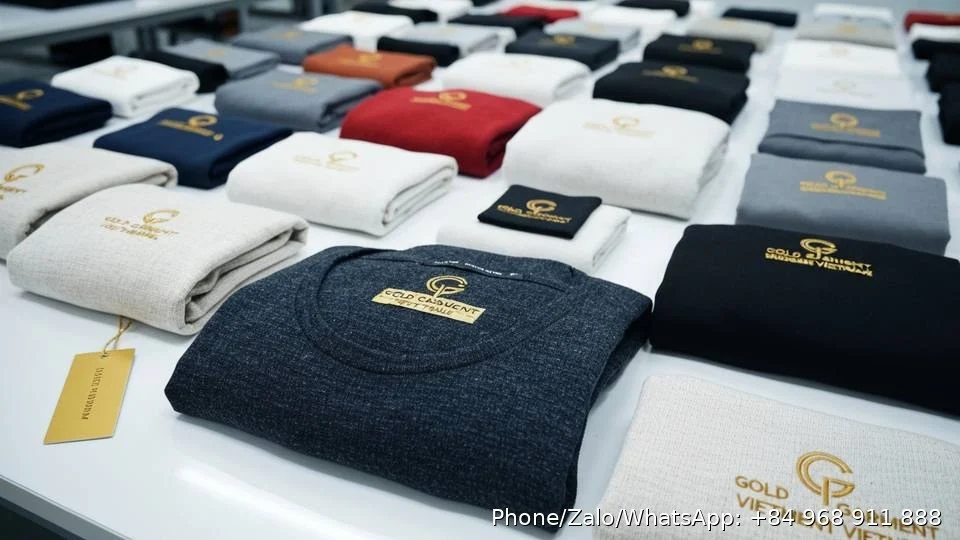
Ready to get started? Send us your specifications and we will respond with a detailed quote within 24 hours. Contact Gold Garment — no obligation.


