


How to source ethiopian garment manufacturers effectively? Learn key insights and secure your production with confidence. Inquire now for pricing.
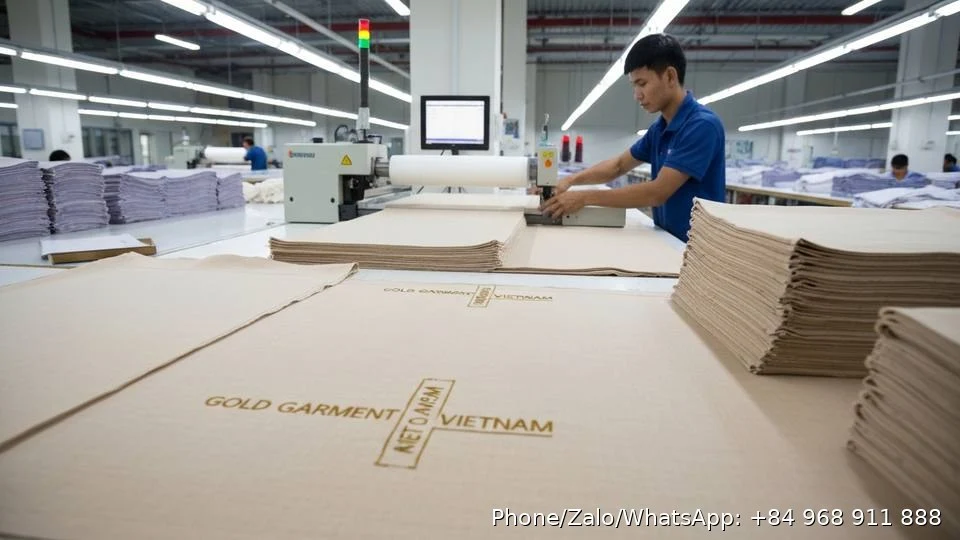
The global apparel sourcing landscape is dynamic, with buyers constantly seeking new regions that offer competitive advantages, ethical practices, and reliable production. Ethiopia has emerged in recent years as a point of interest for many international brands and retailers looking to diversify their supply chains, particularly those exploring Africa garment sourcing. Its strategic location, preferential trade agreements, and growing industrial base present a compelling narrative for potential cost savings and market access.
However, navigating an emerging market requires thorough research, a clear understanding of the local manufacturing ecosystem, and careful consideration of both opportunities and potential challenges. This guide aims to provide a comprehensive overview for buyers interested in ethiopian garment manufacturers, helping you make informed decisions about your sourcing strategy, whether you choose Ethiopia or seek established alternatives like Gold Garment Vietnam.
Exploring Ethiopia for Apparel Manufacturing: What Buyers Need to Know
Ethiopia, situated in the Horn of Africa, has actively positioned itself as a major hub for textile and garment production. The government's vision, supported by significant investments in industrial parks and infrastructure, has attracted considerable foreign direct investment into its manufacturing sector. This drive is largely fueled by several key factors: attractive labor costs, access to raw materials like cotton, and preferential trade agreements that allow duty-free access to major markets such as the USA under the African Growth and Opportunity Act (AGOA).
For buyers, these factors translate into the potential for cost-effective production, particularly for basic garments and high-volume orders. The establishment of large-scale, vertically integrated industrial parks, such as Hawassa Industrial Park, has been instrumental in creating a more consolidated and efficient environment for ethiopian apparel factories. These parks aim to provide a one-stop-shop for manufacturing, often including fabric mills, cut-and-sew operations, and logistics facilities, thereby reducing lead times and facilitating easier oversight for international brands. Understanding the specific capabilities and focus of these industrial zones is crucial for any buyer evaluating Ethiopia textile production.
The Allure of Sourcing from Ethiopian Apparel Factories
The primary draw for sourcing from ethiopian apparel factories lies in the promise of competitive pricing, driven by lower labor costs compared to established manufacturing hubs in Asia. This cost advantage can be particularly appealing for brands operating on tight margins or those producing large quantities of relatively simple garments. Beyond just labor, Ethiopia also boasts indigenous cotton production, offering the potential for a more localized and sustainable supply chain if fully developed. This can appeal to buyers focused on reducing their carbon footprint and supporting local economies.
Furthermore, the duty-free access to the US market via AGOA is a significant incentive, potentially leading to substantial savings on import duties for eligible products. This makes Ethiopia an attractive option for US-based brands looking to mitigate tariff risks associated with other regions. The government also provides various incentives for foreign investors, including tax breaks and subsidized utilities, further enhancing the financial viability of manufacturing within the country. As the industry matures, the range of ethiopian clothing wholesale suppliers is also expanding, offering more options for diverse product categories and order volumes.
Navigating Challenges in Ethiopia Textile Production
While the opportunities in Ethiopia are significant, buyers must also be prepared to navigate a unique set of challenges. Infrastructure, though improving, can still pose hurdles. Reliable access to consistent electricity, efficient transportation networks for raw materials and finished goods, and robust communication systems are critical for seamless production and delivery. Logistics, particularly for garment export from Ethiopia, can be more complex and time-consuming compared to well-established ports in Asia. Shipping routes, customs procedures, and transit times need careful planning and buffer periods.
Another key consideration is the developing skill base. While the workforce is large and enthusiastic, there can be a learning curve in terms of specialized garment manufacturing techniques, quality control standards, and efficient production management that international buyers expect. This may necessitate greater direct oversight, training programs, or reliance on factories with strong expatriate management. Communication can also be a challenge, requiring clear protocols and potentially on-the-ground representation. Finally, political and economic stability, while improving, remains a factor that buyers monitor closely when making long-term sourcing commitments. These factors highlight why many buyers still prefer the proven reliability and established supply chains found in places like Vietnam.
Evaluating Your Sourcing Options: Beyond Ethiopia
For many international buyers, strategic sourcing involves a diversified approach. While the potential of ethiopian garment manufacturers is undeniable, the complexities of operating in an emerging market often lead brands to consider proven, stable, and highly efficient manufacturing hubs. Vietnam stands out as one such alternative, offering a mature and sophisticated garment industry with a track record of reliability, quality, and compliance.
Vietnam's advantages include an experienced and highly skilled workforce, established supply chains for various fabrics and accessories, world-class infrastructure, and a robust logistics network that ensures timely and efficient delivery to global markets. Manufacturers like Gold Garment Vietnam, based in Ho Chi Minh City, offer full-package OEM (Original Equipment Manufacturing) and ODM (Original Design Manufacturing) production services. This means we can handle everything from design consultation and material sourcing to cutting, sewing, finishing, and quality control, providing a seamless experience that minimizes risk and overhead for buyers. Our expertise in custom cut-and-sew garments, coupled with transparent communication and rigorous quality management, offers a compelling alternative for those weighing the pros and cons of new sourcing regions.
Ensuring Ethical Apparel Manufacturing in Ethiopia and Beyond
Ethical sourcing is no longer a niche concern; it's a fundamental requirement for responsible brands worldwide. When exploring ethical apparel manufacturing in Ethiopia, buyers must conduct thorough due diligence regarding labor practices, wage structures, working conditions, and environmental compliance. While industrial parks often have regulations in place, independent verification and ongoing monitoring are crucial. Challenges can arise in ensuring full transparency across the supply chain, especially in regions with less mature regulatory frameworks or limited local auditing capabilities.
This is where partnering with manufacturers who have internationally recognized certifications provides peace of mind. Gold Garment Vietnam, for example, is a BSCI-compliant factory, demonstrating our commitment to upholding fair labor practices, safe working conditions, and responsible environmental management. Our operations also adhere to ISO-aligned quality management systems, ensuring not only ethical production but also consistent quality. For buyers prioritizing both ethical conduct and high production standards, engaging with a certified manufacturer in a stable environment like Vietnam can mitigate many of the risks associated with newer sourcing destinations.
Why Consider Gold Garment Vietnam for Your Cut and Sew Needs
For buyers seeking apparel manufacturing services in Africa or evaluating other global options, Gold Garment Vietnam offers a compelling solution backed by years of experience serving international B2B buyers across the USA, Europe (EU), Australia, UK, Canada, and the Middle East. Our focus on custom cut-and-sew garments allows us to produce a wide array of apparel, from activewear and loungewear to fashion staples, tailored precisely to your brand’s specifications.
We pride ourselves on our flexibility and responsiveness, offering competitive MOQs starting from just 50 pieces per style per color, making us accessible to both emerging brands and established enterprises. Our efficient lead times, with samples ready in 10-14 days and bulk production completed within 30-45 days after sample approval, are crucial for brands operating in fast-paced markets. We work with a diverse range of high-quality fabrics, including cotton, polyester, blends, organic cotton, recycled polyester, and technical performance fabrics, ensuring we can meet your material requirements. Furthermore, our comprehensive branding capabilities, encompassing embroidery, screen printing, heat transfer, sublimation, and woven labels, ensure your garments carry your brand identity flawlessly. With custom size grading for US/EU/AU standards, ranging from XS to 4XL, Gold Garment Vietnam is equipped to be your reliable partner in garment production, offering the stability and expertise that can be harder to find among newer ethiopian clothing wholesale suppliers.
Frequently Asked Questions
What are the common challenges when sourcing from ethiopian garment manufacturers?
Common challenges include developing infrastructure (electricity, transport), potential skill gaps in the workforce, complexities in logistics for garment export from Ethiopia, ensuring consistent quality control, and navigating political or economic uncertainties that can impact supply chain stability. Communication and cultural differences may also require extra attention.
How does logistics for garment export from Ethiopia compare to other regions?
Logistics for garment export from Ethiopia can be more challenging than from established manufacturing hubs in Asia, such as Vietnam. This is often due to less developed port infrastructure, longer transit times, and potentially more complex customs procedures. Air freight might be necessary for faster delivery, but at a higher cost, impacting the overall competitiveness compared to sea freight from other regions.
Are there ethical apparel manufacturing challenges unique to Ethiopia?
While many ethiopian garment manufacturers strive for ethical practices, buyers must be vigilant. Challenges can include ensuring fair wages meet international standards, monitoring working conditions in nascent factories, and verifying environmental compliance. Comprehensive independent audits are often recommended to ensure transparency and adherence to international labor and environmental norms.
What MOQs can I expect from ethiopian clothing wholesale suppliers?
MOQs (Minimum Order Quantities) from ethiopian clothing wholesale suppliers can vary significantly by factory and product type. Larger, more established factories, particularly those in industrial parks, might have higher MOQs suitable for mass production. However, smaller, newer facilities might offer lower MOQs, though buyers should carefully assess their quality control and production capabilities. Gold Garment Vietnam offers competitive MOQs from 50 pieces per style per color, providing flexibility for diverse buyer needs.
Why should I consider a manufacturer outside of Ethiopia, like Gold Garment Vietnam?
Considering manufacturers like Gold Garment Vietnam offers benefits such as a highly mature and stable manufacturing environment, a skilled and experienced workforce, established supply chains, robust infrastructure, and proven quality control systems (e.g., BSCI compliance, ISO alignment). These factors often translate to lower risk, consistent quality, reliable lead times, and comprehensive full-package services that can simplify your sourcing process, allowing you to focus on your brand's growth without the added complexities of navigating an emerging market.
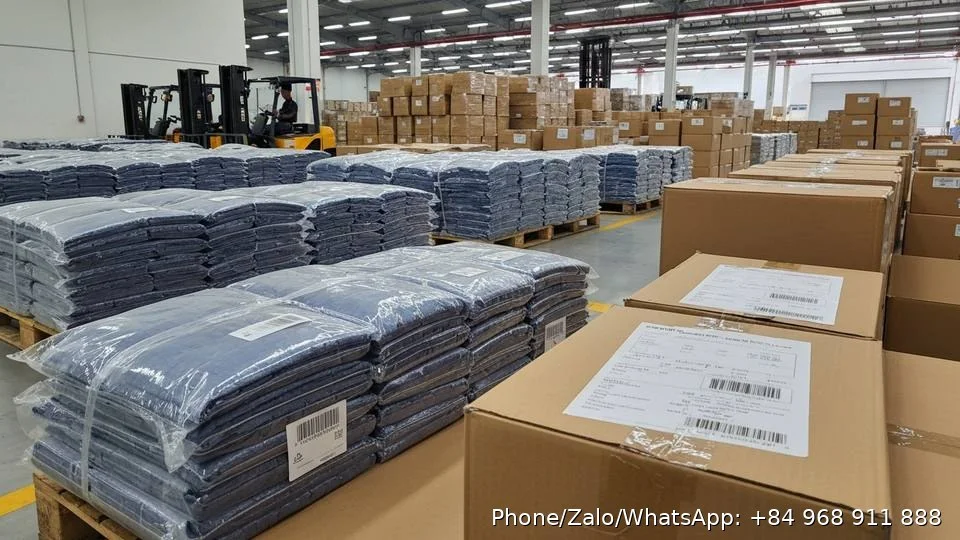
Ready to discuss your next apparel project? Whether you're exploring alternatives to ethiopian garment manufacturers or seeking a reliable partner for full-package production, Gold Garment Vietnam is here to help. Send us your specifications, and our team will provide a detailed quote and expert guidance. Contact Gold Garment today to start your collaboration.
