


Find a reliable indo western dresses manufacturers for your next collection, blending global trends with ethnic charm. Get a free quote today.
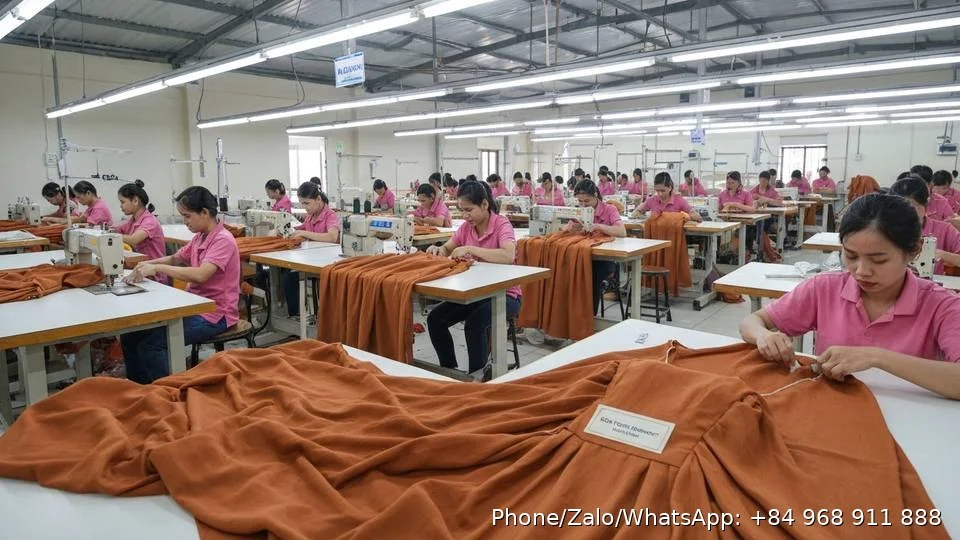
The Indo-Western dress category represents a dynamic fusion of traditional South Asian aesthetics with contemporary Western silhouettes. For B2B buyers looking to capture a diverse market, understanding the intricacies of Indo-Western apparel production is crucial. At Gold Garment Vietnam, we specialize in manufacturing high-quality, custom-cut-and-sew garments, including an extensive range of Indo-Western styles. This guide offers a deep dive into the technical specifications, production considerations, and quality benchmarks that define exceptional fusion wear.
Crafting the Indo-Western Silhouette: Design & Construction
The unique appeal of Indo-Western dresses lies in their innovative construction, which often blends traditional Indian garment elements with modern Western cuts. Unlike simpler garments, these pieces demand meticulous attention to detail in their pattern making and assembly. Key construction details often include:
- Paneling and Draping: Many Indo-Western dresses incorporate traditional Indian paneling techniques, such as the kalidar style (multiple vertical panels creating a flare), combined with Western draping methods to achieve elegant flows and movement. This requires precise pattern cutting and seam allowance management to ensure a smooth, cohesive look.
- Unique Seam Lines: Princess seams, empire waistlines, and asymmetrical seams are common. For example, a dress might feature a fitted bodice with princess seams for shaping, transitioning into a flared skirt constructed with multiple panels. The integrity of these seams is paramount, requiring strong, clean finishing (e.g., French seams for sheer fabrics, overlocked seams for durability).
- Necklines and Sleeves: The fusion aspect is particularly evident here. You might see a Western-style boat neck or off-shoulder design on a kurta-inspired silhouette, or traditional keyhole and sweetheart necklines on a modern gown. Sleeves range from tailored Western full-length sleeves to traditional Indian bell sleeves, kimono sleeves, or contemporary cold-shoulder designs. Each style demands specific pattern adjustments and attachment methods to ensure comfort and aesthetic appeal.
- Closures: While Western garments often use zippers (invisible, coil, or exposed), Indo-Western dresses may incorporate traditional elements like decorative buttons, fabric loops, or tie-up details. Hidden zippers are frequently used for a sleek finish, especially for fitted bodices. The choice of closure must complement the garment's overall design and functionality.
- Layering and Embellishment Integration: Many designs involve multiple layers of fabric or strategically placed embellishments. This requires careful consideration during construction to prevent bulkiness and ensure that the layers lie correctly. For instance, an attached jacket or a sheer overlay must be sewn precisely to maintain the garment's intended drape and form.
Our expertise as a custom Indo-western clothing factory means we understand the nuances of these complex constructions, ensuring each piece meets rigorous design specifications.
Fabric Choices for Distinctive Fusion Wear
The choice of fabric is paramount in defining the aesthetic and comfort of Indo-Western apparel. The material must not only complement the design but also cater to the specific drape, texture, and finish required. Gold Garment Vietnam offers a wide array of fabric options suitable for Indo-Western apparel production:
- Rayon/Viscose: (120-180 GSM) Known for its soft drape, breathability, and silk-like feel, rayon is a popular choice for flowy Indo-Western gowns and dresses. It takes prints well and offers good color retention.
- Georgette & Chiffon: (50-100 GSM) These sheer, lightweight fabrics are ideal for creating voluminous drapes, overlays, and flowing silhouettes. Often used with a lining, they lend an ethereal elegance to evening wear and festive designs.
- Cotton & Cotton Blends: (100-250 GSM) For more casual or semi-formal Indo-Western dresses, cotton offers comfort and breathability. Blends with linen or silk can enhance drape and add a subtle sheen. Organic cotton is also available for eco-conscious brands.
- Silk (Art Silk, Dupion, Tussar): (80-250 GSM) Silk, or its more affordable art silk alternatives, adds a luxurious touch. Dupion silk provides a crisp texture and rich sheen, suitable for structured designs, while Tussar silk offers a more earthy, textured look.
- Polyester & Blends: (80-200 GSM) Polyester offers durability, wrinkle resistance, and colorfastness. It's often blended with rayon or cotton to achieve specific textures and performance characteristics, and recycled polyester options are available for sustainable collections.
- Velvet: (200-300 GSM) For opulent evening wear or winter collections, velvet offers a rich, plush texture and depth of color. It drapes beautifully and adds a luxurious feel.
- Jacquard: (150-280 GSM) Fabrics with woven-in patterns, such as jacquard, add intrinsic design and texture without needing additional surface decoration, perfect for sophisticated Indo-Western designs.
Finish options can include crinkle effects, subtle sheens, or specialized treatments for enhanced drape or wrinkle resistance. Our fabric sourcing team assists B2B buyers in selecting the optimal materials for their bulk Indo-western fashion orders.
Branding & Embellishment for Indo-Western Styles
Indo-Western dresses are often characterized by their intricate embellishments and thoughtful branding, which elevate them from simple garments to statement pieces. The choice of decoration technique needs to be harmonized with the fabric and overall design aesthetic.
- Embroidery: This is perhaps the most popular and versatile technique.
- Traditional Hand & Machine Embroidery: Zari work (metallic thread), Aari work, sequin embroidery, beadwork, and mirror work are frequently used to add rich textures and cultural motifs. Modern machine embroidery can replicate complex designs efficiently for large orders.
- Computerized Embroidery: For precise brand logos or delicate patterns, computerized embroidery offers consistent quality and scalability for indo western dresses manufacturers producing in volume.
- Screen Printing: Ideal for repeating patterns, large motifs, or graphic elements that fuse ethnic designs with contemporary art. Screen printing is cost-effective for bulk Indo-western fashion and provides vibrant color reproduction on various fabrics.
- Digital Printing: For intricate, multi-color patterns, photographic prints, or custom artistic designs, digital printing offers unparalleled detail and color gradients. It's especially effective for flowing fabrics like georgette or rayon to create stunning visual effects.
- Heat Transfer: A good option for specific graphic placements, metallic finishes, or glitter effects that would be difficult to achieve with other methods.
- Woven Labels and Hang Tags: Crucial for private label fusion dresses. Custom woven labels placed discreetly inside the garment convey brand identity and quality. Gold Garment Vietnam provides tailored branding solutions to ensure your private label products stand out.
Our advanced machinery and skilled artisans ensure that every embellishment, from a delicate embroidery patch to an all-over print, is executed with precision, meeting the high standards expected by ethnic fusion wear suppliers.
Ensuring the Perfect Fit: Sizing & Grading for Global Markets
Achieving the perfect fit for Indo-Western dresses is a critical aspect of manufacturing, especially when catering to diverse international markets. Body shapes and sizing conventions vary significantly across regions, making precise size grading essential for private label fusion dresses and wholesale Indo-western gowns.
- US Sizing Standards: Generally based on a more standardized, often curvier, body type. Measurements for bust, waist, and hip are key. Sizes typically range from XS (0-2) to XL (14-16) and sometimes up to 4XL, with specific grading rules for each increment.
- EU Sizing Standards: Often expressed numerically (e.g., 34, 36, 38) and tend to be slightly more slender than US sizing. There can be variations between different European countries (e.g., UK sizing vs. German sizing).
- AU Sizing Standards: Often align closely with UK sizing but can have specific nuances.
- Indo-Western Fit Considerations:
- Drape vs. Structure: Some Indo-Western styles emphasize a relaxed, flowing drape, while others require a more structured, fitted silhouette. Grading must account for these design intentions.
- Body Length & Sleeve Length: These are crucial for customer satisfaction. Ensuring appropriate body and sleeve lengths across different sizes, particularly for taller or shorter demographics in various markets, is vital.
- Bust and Waist Proportions: Given the diverse body types globally, accurate grading for bust and waist measurements is critical to prevent gaping or excessive tightness, especially for fitted bodices or empire waistlines.
- Ease Allowance: The amount of room added beyond body measurements for comfort and movement. Indo-Western garments often require specific ease allowances depending on their style – more for flowing kurtas, less for fitted gowns.
At Gold Garment Vietnam, we offer custom size grading services, ensuring that your collection, from XS to 4XL, aligns perfectly with US, EU, and AU sizing standards. Our technical team works with buyers to develop comprehensive size charts and fit specifications, ensuring consistent fit across all production runs.
From Sample to Scale: Mastering Indo-Western Apparel Production
The journey from an initial design concept to large-scale production for Indo-Western dresses involves several critical stages, each demanding precision and attention to detail. The transition from sample to bulk production requires careful management to ensure consistency and quality across thousands of units.
- Sampling Stage (10-14 days): This initial phase is crucial for refining the design, fit, and construction.
- Pattern Development: Creation of precise patterns for all garment components, including intricate panels, drapes, and embellishment placements.
- Prototype Creation: The first physical sample, allowing for fit adjustments, material drape evaluation, and aesthetic review.
- Technical Specification Refinement: Detailed documentation of all measurements, fabric specs, construction methods, and decoration placements.
- Embellishment Approval: For Indo-Western styles, this means approving specific embroidery patterns, print colors, and beadwork samples.
- Bulk Production Preparation: Once samples are approved, preparations for bulk Indo-western fashion begin.
- Fabric Sourcing & Inspection: Ensuring that the bulk fabric matches the approved sample in terms of color, weave, weight (GSM), and hand-feel.
- Pattern Digitization & Grading: Scaling the approved pattern to all required sizes (XS to 4XL) and optimizing for mass cutting.
- Cutting Room Efficiency: Utilizing automated cutting machines for precision and minimizing fabric waste, especially important for multi-panel Indo-Western designs.
- Pre-Production Meeting: A detailed briefing with the production team, reviewing all technical specifications, critical points, and quality checkpoints specific to the Indo-Western garment.
- Bulk Production (30-45 days):
- Assembly Line Setup: Tailoring the production line to accommodate the specific construction complexities of Indo-Western dresses.
- In-line Quality Checks: Continuous monitoring during stitching, embellishment application, and finishing stages.
- Post-Production Finishing: Includes pressing, final trimming, and packing.
Our commitment as a leading indo western dresses manufacturers extends to maintaining transparent communication throughout this process, ensuring that the final bulk order perfectly mirrors the approved samples and your vision for contemporary ethnic dress producers.
Rigorous Quality Control for Ethnic Fusion Dresses
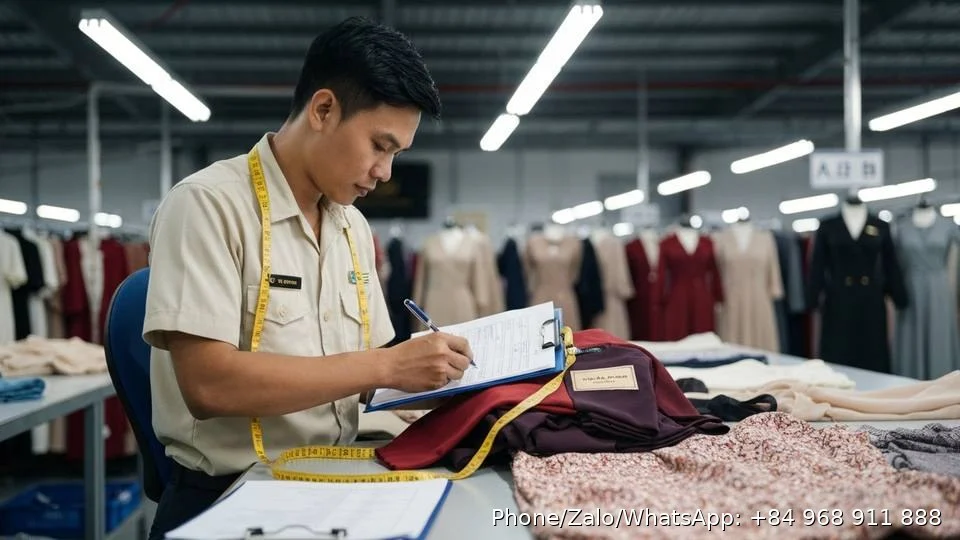
Quality control for Indo-Western dresses is particularly demanding due to the intricate designs, diverse fabrics, and extensive embellishments often involved. At Gold Garment Vietnam, our ISO-aligned quality management and BSCI-compliant factory ensure that every garment meets international standards. Our QC checkpoints specific to ethnic fusion wear suppliers include:
- Fabric Inspection (AQL 2.5):
- Color Consistency: Checking for shade variations across rolls and against approved color standards.
- Fabric Flaws: Identifying weave defects, stains, pulls, or inconsistent textures.
- GSM & Hand-feel: Verifying that the fabric weight and texture match the approved sample specification.
- Cutting Quality:
- Pattern Accuracy: Ensuring all cut pieces match the approved patterns, especially crucial for multi-panel designs and asymmetrical cuts.
- Grain Line & Laying: Verifying correct fabric grain for optimal drape and stretch, preventing distortion.
- Notch & Drill Hole Placement: Checking the accuracy of these markers for precise assembly, vital for complex construction.
- In-line Stitching & Assembly:
- Seam Integrity & Strength: Inspecting all seams (e.g., princess seams, side seams, panel seams) for evenness, strength, and correct tension to prevent puckering or breakage.
- Fit & Drape: Periodically checking garments on mannequins to ensure the intended silhouette and drape are maintained throughout the production run.
- Embellishment Application: Verifying that embroidery, prints, or beadwork are correctly positioned, securely attached, and free from defects, loose threads, or smudges.
- Symmetry: Ensuring that asymmetrical designs are consistently executed, and symmetrical elements (like a neckline) are perfectly balanced.
- Closure Functionality: Testing zippers, buttons, and ties for smooth operation and secure attachment.
- Final Inspection (AQL 2.5):
- Full Garment Check: A comprehensive review of the finished dress for any defects, including stray threads, spots, measurement discrepancies, and overall aesthetic appeal.
- Labeling & Packaging: Ensuring all brand labels, care labels, and hang tags are correctly attached and packaging meets specifications, especially important for private label fusion dresses.
Our meticulous QC process guarantees that every Indo-Western garment leaving our factory is of premium quality, upholding your brand's reputation.
Partnering for Custom Indo-Western Clothing Factory Solutions
Choosing the right manufacturing partner is crucial for brands looking to excel in the competitive Indo-Western apparel market. Gold Garment Vietnam stands as a premier custom Indo-western clothing factory, offering comprehensive OEM and ODM solutions to international B2B buyers. Our full-package production capabilities mean we handle everything from design conceptualization and fabric sourcing to sampling, manufacturing, and final delivery.
We pride ourselves on our flexibility and responsiveness, offering an accessible Indo-western dress manufacturing MOQ of just 50 pieces per style per color. This allows brands, from emerging labels to established retailers, to test new designs or launch diverse collections without excessive upfront investment. Our lead times are efficient: samples are typically ready in 10-14 days, with bulk production completed in 30-45 days after sample approval. This ensures a swift transition from design concept to market-ready product.
Our state-of-the-art facility in Ho Chi Minh City, Vietnam, combines skilled craftsmanship with modern technology. We are equipped to handle the unique complexities of Indo-Western designs, from intricate paneling and elaborate embellishments to precise size grading for global markets (USA, Europe, Australia, UK, Canada, Middle East). When you partner with us for wholesale Indo-western gowns or contemporary ethnic dress production, you gain a reliable ally committed to bringing your vision to life with superior quality and efficiency.
Frequently Asked Questions
What is the typical Indo-western dress manufacturing MOQ at Gold Garment Vietnam?
Our minimum order quantity (MOQ) for Indo-Western dresses is 50 pieces per style per color. This flexible MOQ supports both emerging brands and established businesses looking for diverse collections.
What fabric options are available for Indo-western apparel production?
We offer a wide range of fabrics including rayon, georgette, chiffon, various cotton and polyester blends, silk (Art Silk, Dupion, Tussar), velvet, and jacquard, with diverse GSM ranges and finish options to suit specific designs.
How do you ensure fit consistency for Indo-Western dresses across different global markets?
We provide custom size grading services, meticulously adapting patterns to align with US, EU, and AU sizing standards. Our technical team works closely with buyers to define precise fit specifications and ease allowances.
What types of embellishments can be applied to Indo-Western designs?
We offer a full suite of decoration techniques, including traditional and computerized embroidery (zari, Aari, sequin, beadwork), screen printing, digital printing for intricate patterns, and heat transfer, along with custom woven labels for branding.
What is the lead time for sampling and bulk production of Indo-Western dresses?
Sample lead time is typically 10-14 days, allowing for detailed review and adjustments. Once samples are approved, bulk production is completed within 30-45 days, ensuring efficient delivery to market.
Ready to elevate your brand with expertly crafted Indo-Western dresses? Send us your specifications and our team will respond with a detailed quote tailored to your needs. Contact Gold Garment — no obligation.


